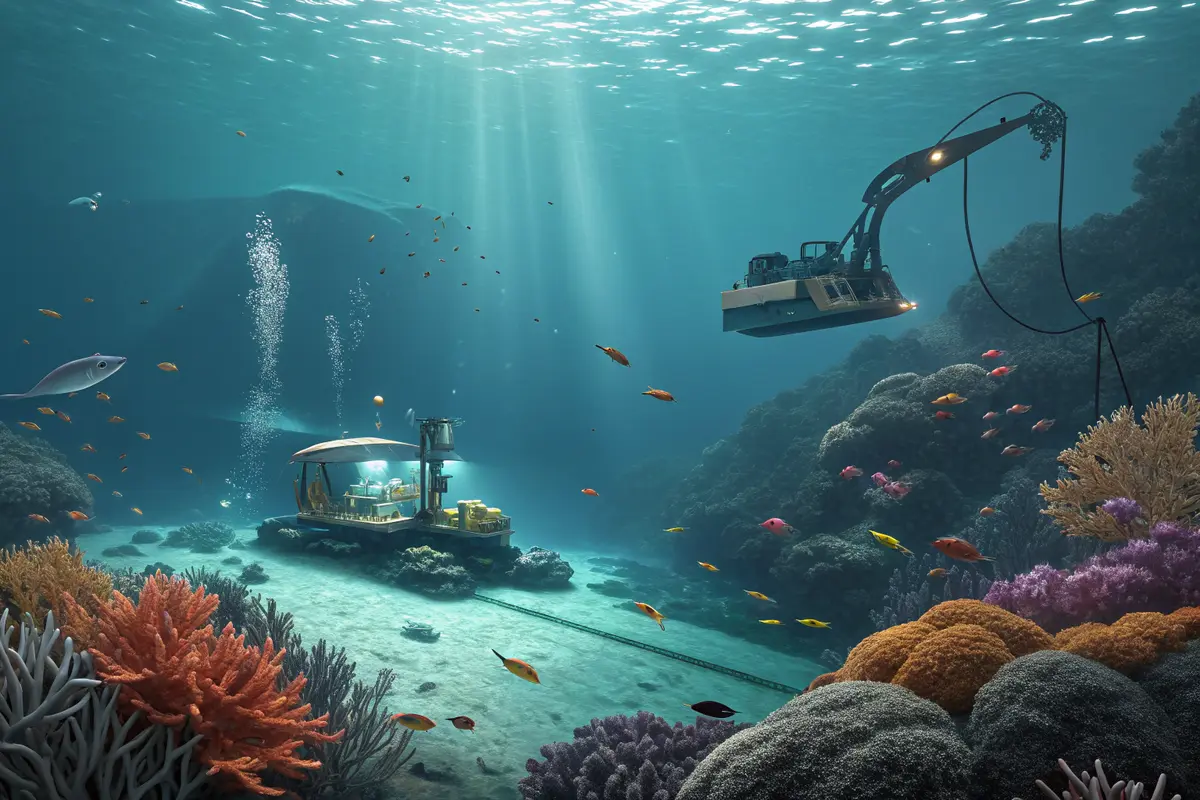
As the world relentlessly pursues a sustainable future, the demand for rare metals crucial to the energy transition is skyrocketing. The ocean floors, abundant in polymetallic nodules, are emerging as potential treasure troves for these essential resources like cobalt, nickel, and copper. These elements play pivotal roles in manufacturing batteries, solar panels, and wind turbines—key components for combating climate change. In this high-stakes race to access marine resources, China is strategically positioning itself as a major player. This article delves into China’s approach to ocean mining and the global implications of this competition.
The global quest for marine mineral sovereignty: China’s strategic moves
The quest for marine mineral sovereignty is intensifying as countries recognize the critical importance of securing a steady supply of rare metals. China is at the forefront of this competition, employing a multifaceted strategy to solidify its grip on oceanic resources. Through a combination of strategic alliances, extensive exploration rights, and technological advancements, China aims to gain a competitive edge in this lucrative field. The country’s existing contracts for exploration in international waters demonstrate its commitment to this venture. Moreover, forming partnerships with Pacific states further cements China’s influence, positioning it as a leader in the forthcoming marine mining era.
Exploration contracts and diplomatic strategies
Securing exploration contracts in international waters is a critical aspect of China’s strategy. By obtaining legal rights to explore marine territories, China has gained a significant advantage in the race for oceanic resources. Coupled with diplomatic efforts to forge alliances with key Pacific nations, China enhances its geopolitical standing. These alliances not only provide access to strategic locations but also offer collaborative opportunities, reinforcing China’s dominance in the sector.
Technological innovation and market control
China’s mastery of metal extraction technologies is another pivotal element in its quest for control over oceanic resources. With sophisticated processing techniques, China can efficiently extract and refine these crucial metals, mitigating potential bottlenecks in the supply chain. This technological edge enables China to exert substantial influence over the global market, ensuring a steady supply of rare metals to meet its domestic and international demands.
The environmental and technical challenges of ocean mining
Despite the promising prospects, ocean mining presents significant environmental and technical challenges. The deep-sea ecosystem, still largely unexplored, harbors fragile biodiversity vulnerable to irreversible damage. As the industry wrestles with the implications of deep-sea mining, striking a balance between resource extraction and environmental preservation is paramount. Current technology is still evolving, necessitating careful consideration of environmental impacts and potential solutions.
The fragility of deep-sea ecosystems
Deep-sea ecosystems are intricate and delicate, hosting unique species that could be threatened by mining activities. The potential disruption to these ecosystems poses risks not only to marine life but also to the broader environmental equilibrium. Understanding these ecosystems better is crucial for developing sustainable extraction methods that minimize ecological footprints. Ongoing research and international collaboration are essential in addressing these challenges.
The technological hurdles in ocean mining
The technical demands of extracting resources from ocean depths are considerable. Developing efficient and environmentally friendly mining technologies is crucial to overcoming these obstacles. While China leads in metal processing technologies, the extraction process itself requires further innovation. The industry continues to invest in research and development to refine these technologies, ensuring sustainable and effective ocean mining in the future.
International regulatory efforts and the push for responsible mining
The growing demand for responsible mining practices has prompted international efforts to regulate ocean mining activities. Proposals for a decade-long moratorium are gaining traction, highlighting the need for a comprehensive understanding of environmental impacts before commercial exploitation begins. International leaders, including Emmanuel Macron, are advocating for caution, emphasizing the importance of preserving marine biodiversity in the face of growing industrial interests.
A call for international agreements and standards
Establishing international agreements and standards is vital to ensure responsible ocean mining. Regulatory frameworks must balance the benefits of resource extraction with environmental conservation. Collaborative efforts among nations can lead to the development of sustainable mining practices, setting a precedent for future endeavors. The creation of standardized guidelines will be instrumental in achieving a harmonized approach to ocean resource management.
The role of international advocacy in shaping policy
International advocacy plays a critical role in shaping policy and public opinion on ocean mining. Environmental organizations and global leaders continue to promote awareness of the potential risks associated with deep-sea mining. By fostering dialogue and transparency, these advocates contribute to a more informed and environmentally conscious approach to resource extraction, ultimately guiding the industry towards sustainable practices.
China’s potential influence on the future of ocean resource extraction
As ocean mining technologies advance and international policies take shape, China is poised to be a central figure in the future of marine resource extraction. While the country may not be the first to initiate large-scale commercial mining, its technological prowess and strategic positioning ensure it will be a formidable force. The interplay between China’s ambitions and global regulatory efforts will shape the landscape of ocean mining, determining the balance between economic interests and environmental sustainability in the years to come.