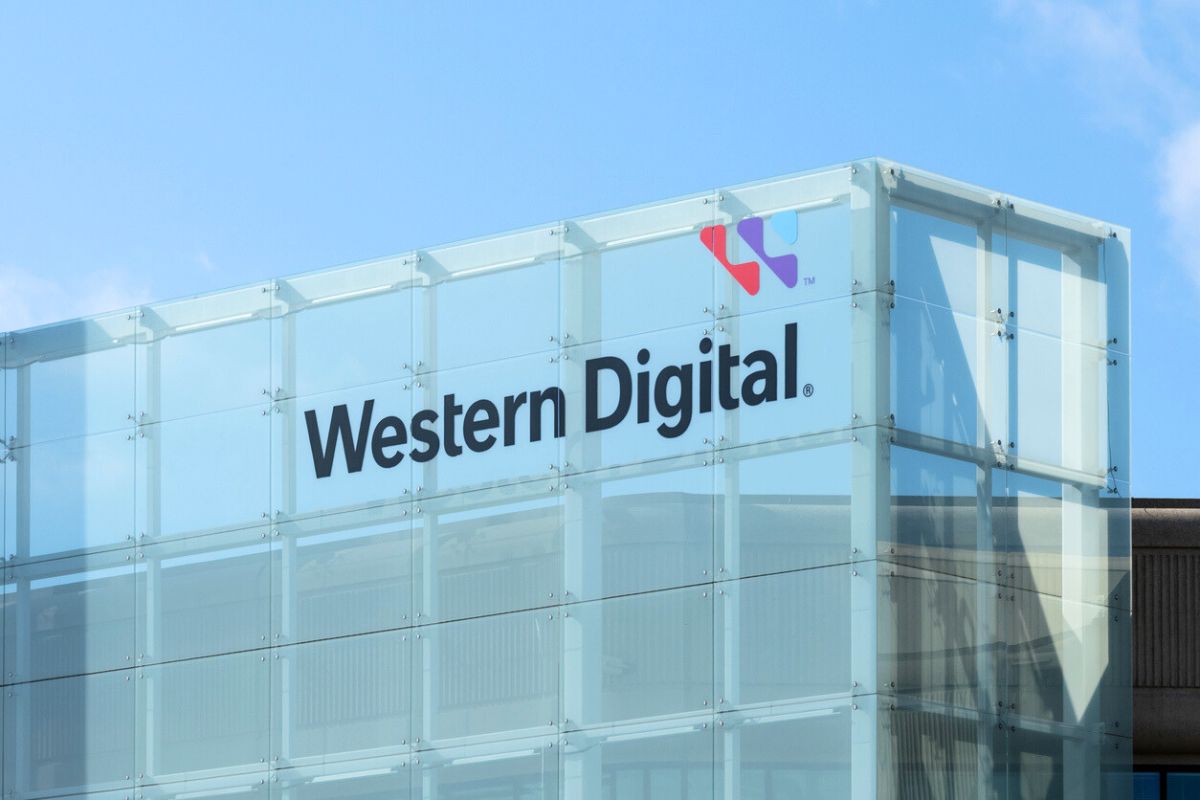
When Western Digital announced it would exit the SSD market and double down on traditional storage, many in the tech world did a double take. Yet beneath the surprise lies a strategic play to meet the exploding demand for sheer capacity—a move that could reshape how we store the data driving today’s innovations.
Refocusing on traditional hard drive expertise
After years collaborating with SanDisk on flash memory, Western Digital is stepping back from solid-state drives to concentrate on its longstanding strength: hard drives. While SSDs boast lightning-fast speeds, the surge in big-data applications—especially those powered by artificial intelligence—has turbocharged demand for multi-terabyte disks. As data scientist Priya Mehta explains, “When training large language models, our main cost isn’t compute time but the storage required to house countless training datasets.” By returning to its mechanical roots, Western Digital aims to capitalize on this shift.
The end of the WD Black line: a blow for gamers?
For years, the WD Black series was the go-to choice for gamers craving millisecond response times. I recall a friend building his first gaming rig around a 1 TB WD Black SSD—proudly boasting about sub-100ms load screens in his favorite RPG. Now, with the WD Black SSD discontinued, gamers may look to competitors like Samsung’s 990 Pro or Crucial’s P5 Plus to fill the performance gap. This exit clears the field, but also opens an opportunity for niche brands to court high-end enthusiasts.
Market logic in a rapidly changing landscape
The storage industry is evolving at breakneck speed. Online services, streaming platforms, and AI workloads produce petabytes of information daily. According to IDC, global shipments of nearline HDD capacity are projected to exceed 500 exabytes by 2026, up from 230 exabytes in 2023 (IDC, 2024). In this context, prioritizing high-density drives over speed-focused SSDs makes sound business sense.
Realigning the SanDisk partnership and its market impact
With Western Digital’s pivot, its flash-memory ally SanDisk will carry the torch for SSD innovation solo. Established as a leader in NAND technology, SanDisk now has room to expand its market share and introduce fresh product lines. Consumers might see a spate of new SSD releases under the SanDisk banner, potentially leading to more competitive pricing and feature sets.
Can SanDisk capitalize on the SSD legacy?
SanDisk’s chance to fill the void left by WD Black is significant. By leveraging its expertise in flash fabrication, the company could attract gamers and content creators seeking both speed and reliability. Early rumors suggest SanDisk is developing a new “Extreme Pro” series optimized for sustained performance—an enticing prospect for video editors and esports professionals alike.
Potential effects on pricing and innovation
The reshuffling of market players often benefits end users. As competition heats up, SSD prices may dip, while innovation accelerates. We’ve already seen rival brands experiment with PCIe 5.0 drives and advanced caching algorithms. With SanDisk free to innovate and other manufacturers like Western Digital focusing on capacity, consumers stand to gain faster, cheaper, and higher-capacity options across the board.
A capacity-driven strategy to meet current demands
The rise of artificial intelligence and cloud computing has made storage density king. From autonomous vehicles logging terabytes of sensor data daily to hospitals archiving high-resolution medical images, organizations need robust, cost-effective solutions. By concentrating R&D on multi-platters and shingled magnetic recording, Western Digital is positioning itself as the go-to provider for massive archives.
Western Digital confronting storage challenges in the AI era
As AI workloads scale up, the industry’s priorities are clear: vast capacity often trumps raw speed. Western Digital’s strategic retreat from SSDs underscores this truth, betting that tomorrow’s storage battles will be won on density and durability. Whether this return to form will cement their leadership—or simply delay the inevitable rise of next-gen flash—remains to be seen. But one thing is certain: in the race to handle the world’s data deluge, Western Digital is doubling down on what it knows best.