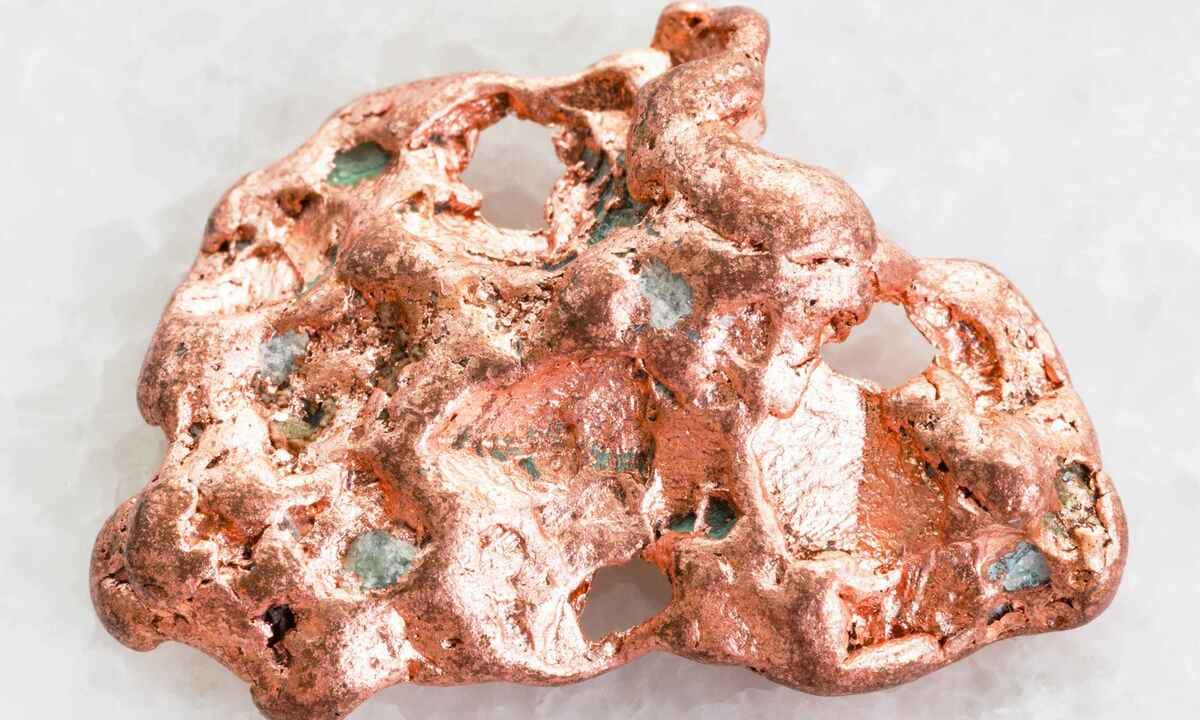
In a development that could reshape global mineral supply chains, geologists have uncovered an enormous copper deposit tucked deep within the Tibetan Plateau. Weighing in at over 20 million tons, this newly identified lode has far-reaching implications for clean energy, global trade, and resource security.
A Game-Changer in the Mountains
The remote Qinghai-Xizang region—better known for its rugged isolation than its mineral wealth—has now emerged as a focal point in the global copper race. The deposit was confirmed after an extensive geological survey of the site, drawing immediate interest from both mining experts and geopolitical analysts.
While the terrain remains notoriously difficult to access, the scale of the discovery has shifted attention to China’s growing push for domestic resource control. If harnessed efficiently, this could mark a major pivot away from reliance on traditional exporters.
Copper’s Critical Role in Clean Tech
Why does this matter? Copper is a backbone of the green energy revolution. From electric vehicles to solar panels and wind turbines, its superior electrical conductivity makes it indispensable for energy transmission and storage.
Electric cars, for example, require up to four times more copper than their petrol counterparts. Wind turbines can use several tons of the metal to power their generators and wiring systems. With demand accelerating, having access to a stable copper supply is becoming more important than ever for nations striving to hit carbon neutrality targets.
Global Markets on Alert
This discovery could allow China to significantly reduce dependence on foreign copper, reshaping price dynamics and international negotiations. For countries in South America, which have long dominated global copper exports, the news introduces fresh competition—and fresh concern.
Centralizing access to critical materials like copper also enhances economic leverage, particularly in tech-heavy industries where production bottlenecks can delay entire sectors.
Extreme Altitude, Extreme Challenges
Mining operations at high elevations face a litany of hurdles: thin air, sub-zero temperatures, and harsh topography all complicate the logistics of extraction. Engineers are now exploring technologies like automated drilling systems and remote sensors to overcome these physical barriers.
Breakthroughs in equipment adapted to such conditions could eventually be applied in other mountainous regions around the world, setting new standards for high-altitude resource extraction.
Environmental Watchdogs Raise Concerns
While economic potential surges, so does concern from environmental groups. The Tibetan Plateau is home to fragile ecosystems, and large-scale mining could pose irreversible threats. Activists have warned against the risks of open-pit operations and water-intensive processes, both of which have been controversial in nearby sites.
Mining companies have promised to pursue low-impact extraction techniques, including advanced water treatment and soil reclamation methods, but implementation will be closely watched.
Community Perspectives and Local Impact
Economic development typically brings jobs, infrastructure, and improved services to remote areas. For some residents, that’s welcome news: improved roads, better schools, and faster internet access are real possibilities.
Others worry about cultural disruption, especially as new populations migrate into the region. Preserving traditional lifestyles and heritage will be key topics in discussions surrounding development.
Trade Tensions and Resource Sovereignty
Copper’s strategic importance places it squarely in the middle of broader trade disputes. Recent tariffs and shipping delays have already put pressure on supply chains. This new deposit could reshape how countries negotiate bilateral agreements and influence global sourcing strategies.
Nations may now be prompted to reassess their metal reserves, and partnerships may emerge to secure more resilient supply chains—especially as copper remains essential to power grids, renewable installations, and future mobility.
Supporting the Energy Transition
From a climate perspective, this find could support the buildout of clean energy infrastructure. Stable access to copper means fewer delays in deploying zero-emission vehicles, wind farms, and solar networks.
Investors are taking note: the price and availability of copper could affect the pace of decarbonisation worldwide. A steady supply is essential for keeping global projects on time and on budget.
Responsible Growth and Reclamation
Experts stress that sustainable development is the only way forward. Once extraction is complete, companies must be ready to restore landscapes for agriculture or conservation. Reclamation policies will play a major role in how communities perceive these operations long-term.
True progress lies in the balance—economic opportunity matched by environmental responsibility and cultural respect.
A New Era for Exploration
This may only be the beginning. Teams continue mapping the broader region, aided by cutting-edge imaging technologies. New discoveries could be on the horizon, shifting the focus of global mining efforts and influencing how other nations structure their resource policies.
Every fresh data point feeds into larger questions around infrastructure, trade, and technological autonomy. In an increasingly interconnected world, copper has become more than just a metal—it’s a lever of geopolitical strategy.
Conclusion: Big Potential, Big Questions
The magnitude of this copper deposit is clear. What remains uncertain is how it will be developed—and by whom. With the world hungry for metals that drive sustainable growth, this find could reshape everything from manufacturing hubs to climate timelines.
Cautious optimism defines the moment. The choices made in the coming years will determine whether this discovery becomes a global success story—or another flashpoint in the battle between progress and preservation.