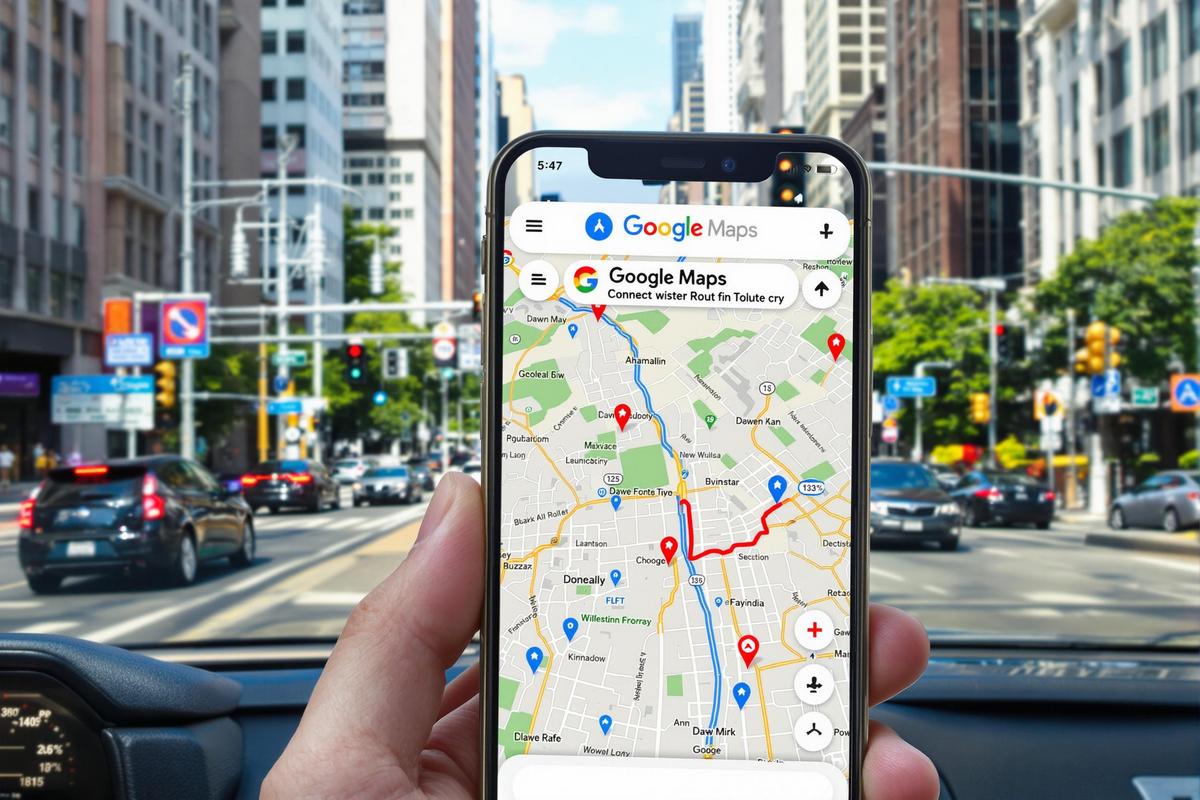
The landscape of GPS navigation is shifting, and fast. While Waze has long held the crown for community-driven alerts and radar warnings, another contender is stepping up—armed with a cleaner interface, smarter traffic tools, and deeper local integration. Enter Google Maps.
A Sleek Interface Drivers Actually Enjoy
User experience matters, especially when you’re navigating unfamiliar roads. Google Maps gets this right with a streamlined interface that’s both intuitive and functional. From the moment you open the app, you’re guided through a responsive map layout with high-precision location tracking, smart search tools, and easy access to nearby points of interest.
What sets it apart? Frequent updates have added layers of depth—like local business reviews, photos, and real-time opening hours—making the app feel more like a personalized travel companion than just a navigation tool.
Real-Time Traffic Insights That Save You Time
Beyond directions, Google Maps stands out for its real-time traffic forecasting. By crunching vast amounts of data from other users and live conditions, it identifies the fastest routes available, even during heavy congestion. For busy commuters or road-trippers trying to avoid bottlenecks, this feature is a game changer.
Community Alerts: A Growing Strength
While Waze built its reputation on user-generated alerts, Google Maps is quietly catching up. You can now report accidents, road closures, and even speed traps, making your daily commute safer and more predictable. Though still less comprehensive than Waze, the system is improving with every update, and more drivers are taking part in the feedback loop.
These alerts add a layer of collaborative navigation, reinforcing that you’re not driving alone—you’re benefiting from a growing network of fellow users helping you stay informed.
Radar Detection in France: The Legal Hurdle
In France, however, radar reporting is tricky business. Due to local regulations, direct speed camera alerts are prohibited. While Waze navigates this with generalized “speed control zones,” Google Maps must tread carefully to remain compliant.
But Google isn’t standing still. By working within the rules and exploring alternative solutions—like improved hazard alerts or localized warnings—it’s setting the stage to expand its reach in this highly regulated market.
Adapting to a Competitive Market
To stay ahead in France, Google Maps may need to collaborate with local tech providers or enhance its custom alert systems. Personalized notifications or real-time safety insights could offer added value while remaining legally sound.
These kinds of innovations would not only improve safety but also deepen user engagement, further cementing Google Maps as the go-to navigation tool.
Anticipating What’s Next
All eyes are on future updates. If Google leverages user feedback and pushes forward with technology-driven improvements, it could turn current restrictions into opportunities for smart, compliant design. It’s a long game—but one Google is clearly positioned to win.
Beyond Navigation: A Full-Service Travel Companion
One of Google Maps’ biggest strengths is its ability to go beyond turn-by-turn directions. With billions of searches conducted daily for places to eat, stay, or explore, it’s become a hub for local discovery.
Using AI and user data, the app now offers tailored recommendations, complete with reviews, ratings, photos, and even reservations or ticket pre-orders. This blend of navigation and exploration is what sets it apart from traditional GPS apps.
Local Partnerships Add Real Value
Thanks to partnerships with local businesses and third-party platforms, Google Maps allows users to book tables, order ahead, or schedule visits—all from within the app. These integrations streamline planning and elevate the everyday user experience, something few competitors offer at the same scale.
The Waze vs. Google Maps Debate
Waze still has loyal fans—especially for its ultra-precise radar alerts—but Google Maps is gaining ground fast. Its robust ecosystem, adaptability to local regulations, and relentless innovation make it a serious contender for the title of best all-in-one navigation app.
As Google continues to enhance its offerings and respond to market needs, the balance of power may well tip in its favour. And for drivers tired of switching between apps, that’s very good news. With the right strategy, Google Maps could soon become the one-stop solution for navigation, discovery, and driving safety.