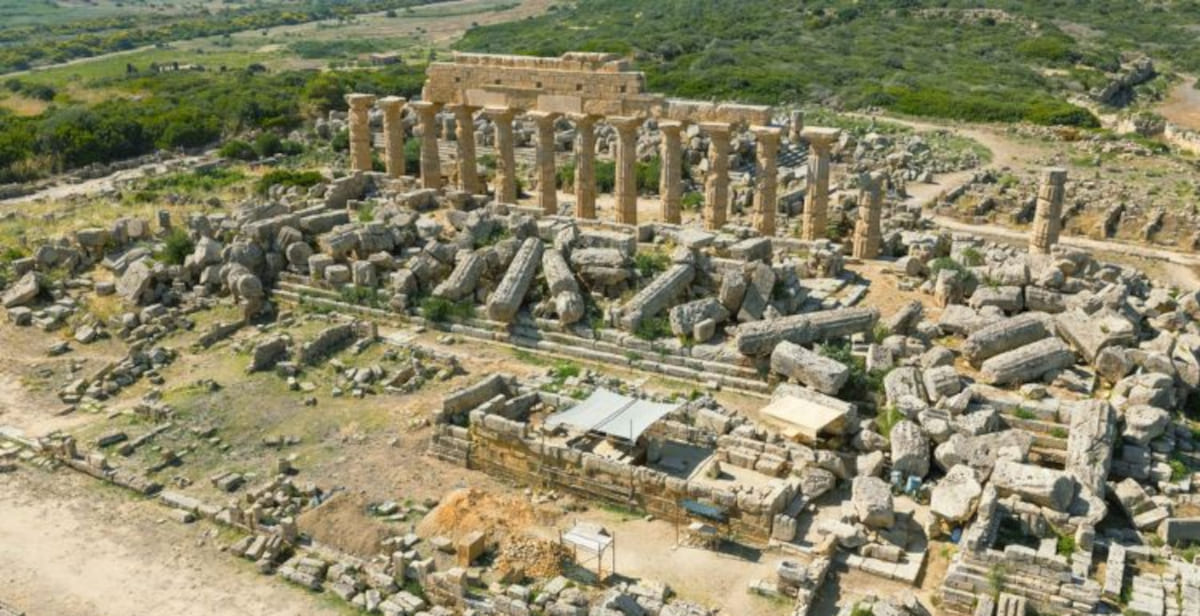
Deep in the heart of the Selinunte archaeological park, researchers have uncovered a hidden chamber in Temple R that sheds new light on early Greek religious life—and the pivotal role of women in ancient worship.
Discovering the adyton of Temple R
During the latest excavation season, archaeologists revealed the adyton, or inner sanctum, of Temple R—Selinunte’s oldest stone temple, dating to around 570 BCE. This most sacred space, once reserved exclusively for priests, held the cult statue and was the focal point of early ritual activity in the newly founded polis.
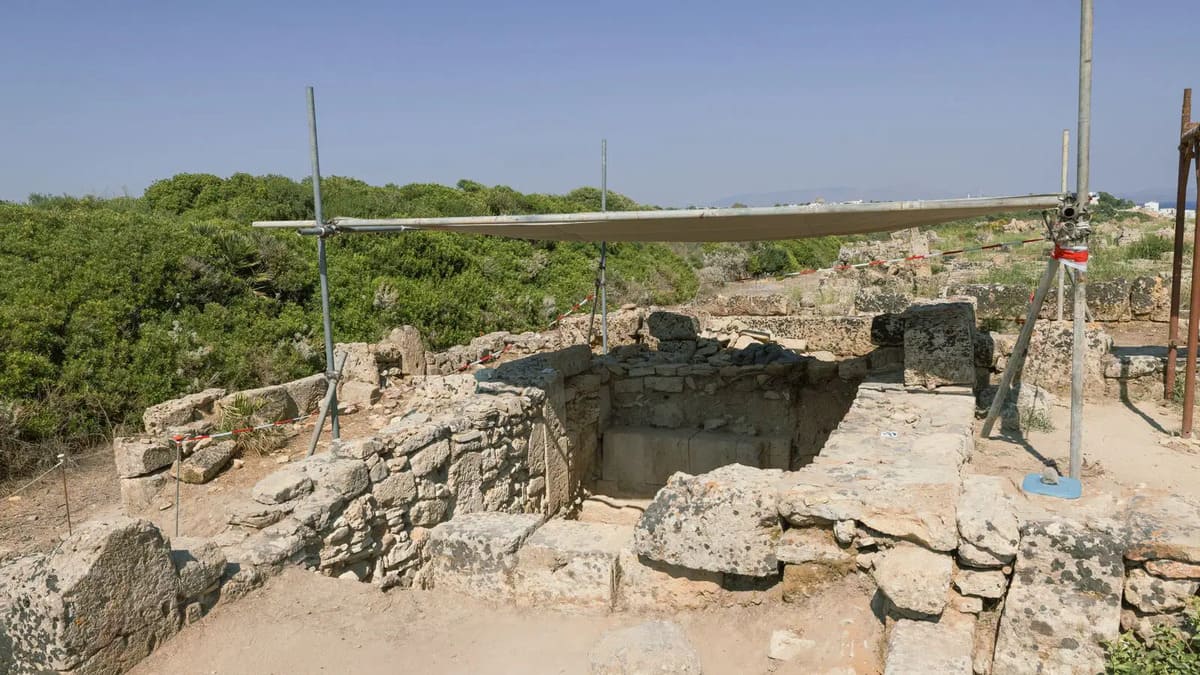
A treasure trove of votive offerings
Beneath the original temple floor, at the base of the naos, excavators found a remarkable deposit of over 300 artefacts. Among spearheads and loom weights, a finely crafted silver ring—likely donated by a high-status woman—stood out, confirming the wide array of votive gifts left for the deity.
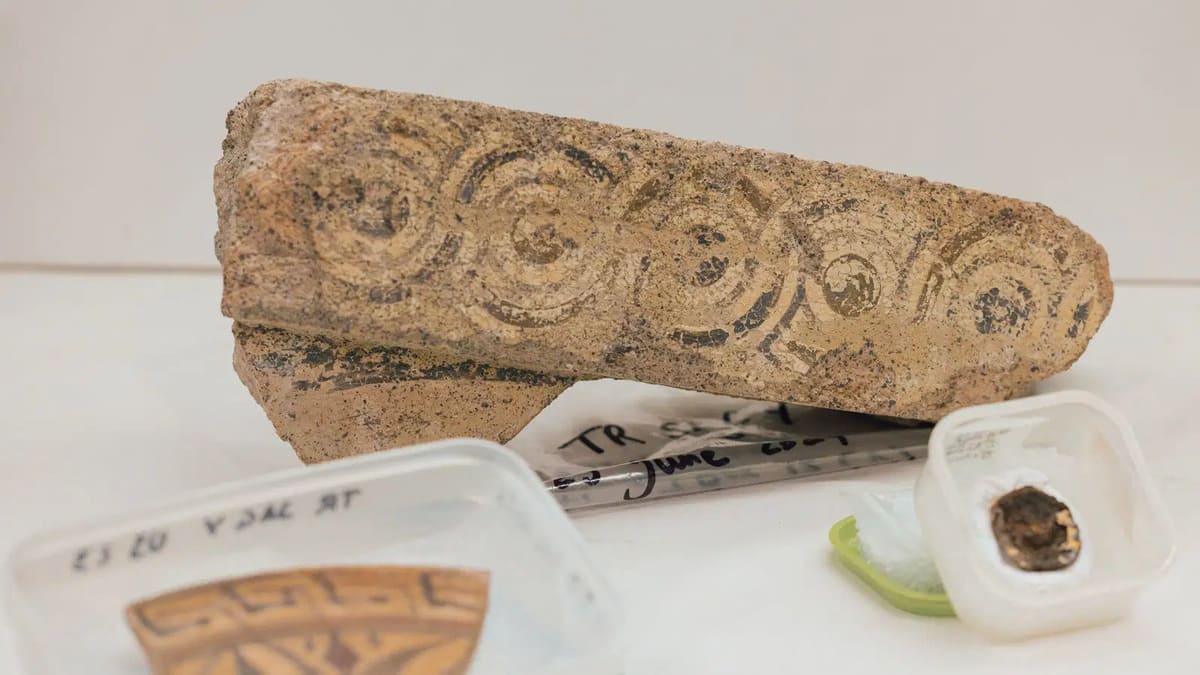
Insights into female worship
The richness of the find highlights the significance of female worship at Selinunte. Offerings such as delicate jewellery and pottery fragments suggest women played a central role in devotional practices to goddesses like Demeter and Kore, whose fertility and protective powers were crucial to the community.
International collaboration unearths history
This breakthrough comes courtesy of a joint effort by New York University’s Institute of Fine Arts and the University of Milan, working alongside the Selinunte Archaeological Park under the direction of Dr Clemente Marconi. Their work has preserved an almost intact stratigraphic sequence spanning from the pre-Greek era through the Middle Ages, including a 5th-century BCE monumental gateway.
Preserving an ancient legacy
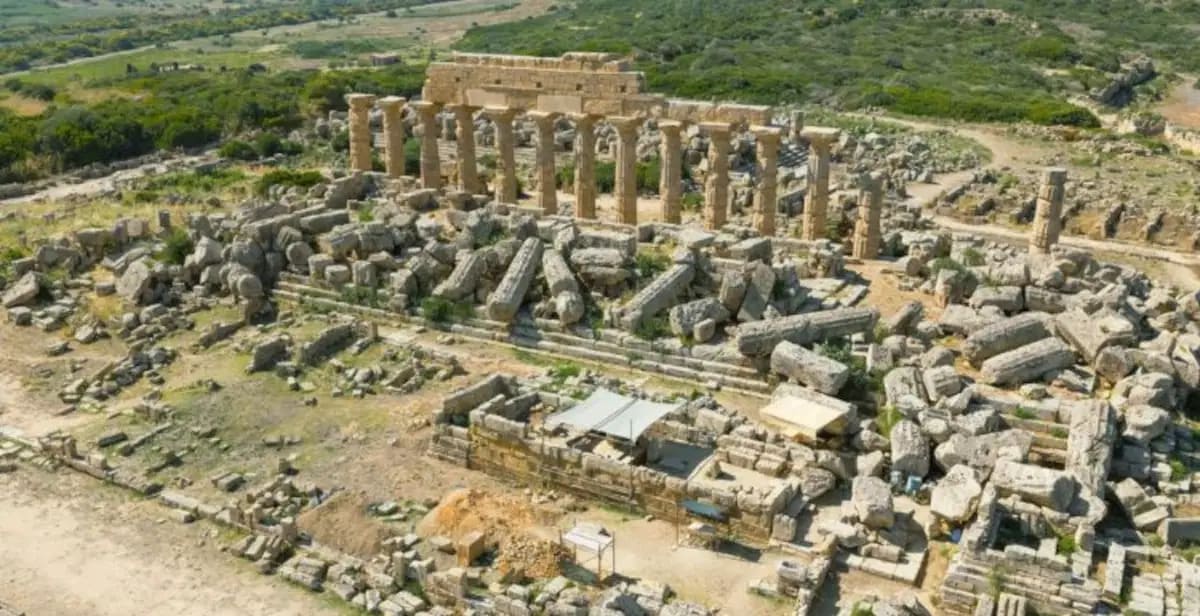
With this discovery, scholars can more precisely chart the growth of Selinunte’s urban sanctuary in its formative decades. The perfect preservation of Temple R’s adyton and its finds offers an unprecedented window into the rituals, community structure, and religious dynamics of one of Magna Graecia’s earliest city-states.