A new discovery in the foothills of Wyoming could mark a turning point in the global supply chain of critical minerals—and with it, the balance of power in the fast-moving technology race.
An unexpected pivot in American mining
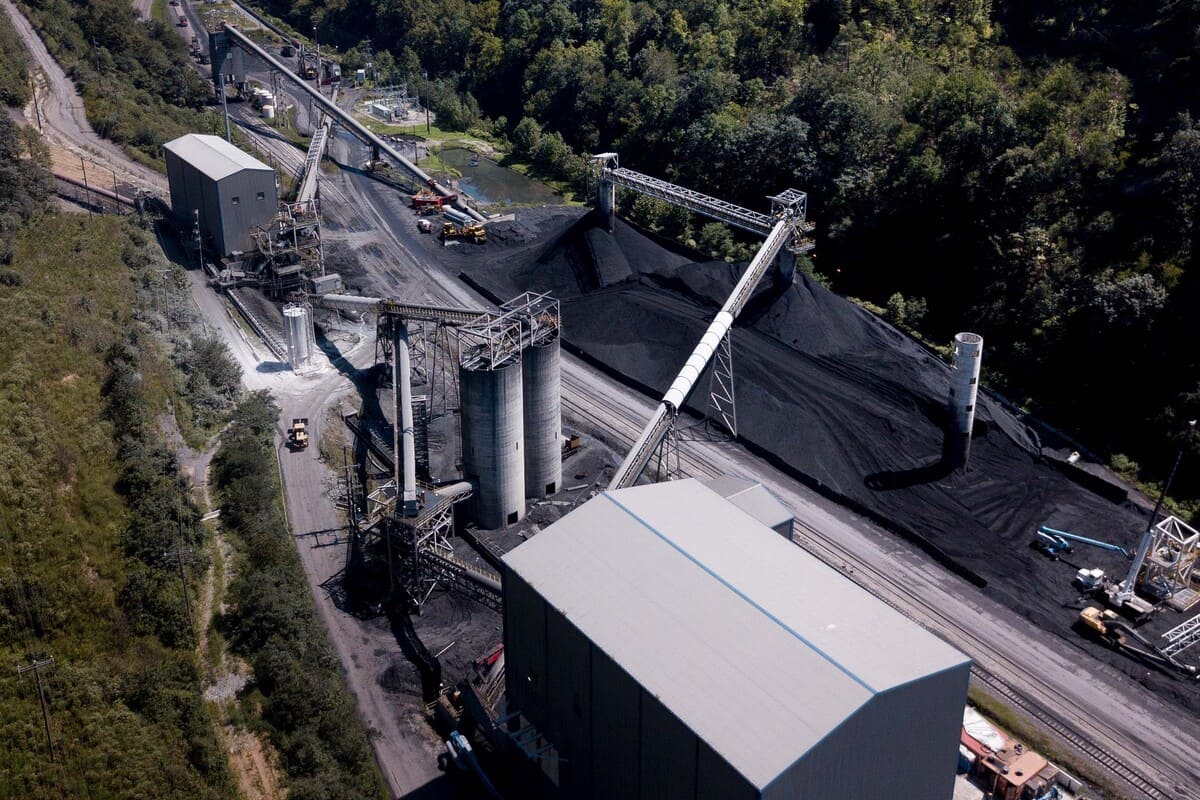
Ramaco Resources, a company better known for its roots in metallurgical coal, has just been catapulted into a different league. Thanks to a newly confirmed trove of rare earth elements beneath its Brook Mine near Sheridan, Wyoming, Ramaco is now poised to become a major player in the world of high-tech materials.
Backed by an economic assessment from engineering giant Fluor Corporation, the Brook Mine’s deposits have been declared not only extensive but highly commercially viable. This early analysis projects a net present value of nearly $1.2 billion and a 38% pre-tax internal rate of return—figures that would be impressive for any project, let alone one pivoting from coal to rare earths.
A strategic stash of modern gold
What makes this find so important isn’t just the money—it’s what’s in the ground. The mine is expected to yield over 1,200 tonnes annually of rare earth oxides, including the highly sought-after dysprosium, neodymium, and scandium. These are not everyday materials. They’re the backbone of permanent magnets used in electric vehicles, wind turbines, aerospace components, and even next-generation defence technologies.
In a world racing toward decarbonisation and electrification, these minerals are indispensable. And up until now, most of them have come from a single source: China.
Breaking China’s rare earths monopoly
China currently dominates around 85% of global rare earth production, a position it has strategically used to exert economic leverage in global trade. This monopoly has left the U.S. and its allies vulnerable to supply chain shocks, especially as tensions rise over tech and security issues.
The Brook Mine, while unlikely to topple China’s dominance overnight, could still account for 3–5% of America’s total permanent magnet needs—a meaningful dent in its dependence. That makes this find more than just an economic windfall; it’s a potential national security asset.
Building a local supply chain from the ground up
Ramaco isn’t just digging for minerals—they’re aiming to control the entire process. Plans are already underway to develop U.S.-based processing capabilities, an often overlooked bottleneck in rare earth production. By handling both extraction and processing domestically, Ramaco hopes to create a fully vertically integrated supply chain—something the U.S. has lacked for decades.
Chairman and CEO Randall Atkins has been vocal about the broader implications of the project. For him, the Brook Mine isn’t just a business opportunity—it’s a way to help rebalance America’s strategic autonomy in a changing geopolitical landscape.
A symbol of energy transition
This discovery also signals something bigger: a shift in focus from fossil fuels to the minerals driving clean energy. Ramaco’s journey from coal miner to rare earth supplier reflects the changing nature of global industry, where materials like neodymium are as critical today as oil was a generation ago.
As global demand surges for clean technologies, the pressure is on to secure reliable sources of the elements that make them possible. With the Brook Mine, the U.S. has taken a major step in the right direction.
A new chapter in American resource strategy
The Brook Mine find is more than a mining success story—it’s a glimpse of the future. With Fluor Corporation’s support, Ramaco is preparing to scale operations and fine-tune its extraction processes, setting the stage for a new era in American industrial resilience.
In a world where resources increasingly mean power, Wyoming’s hidden trove of rare earths could be one of the most strategic discoveries of the decade.