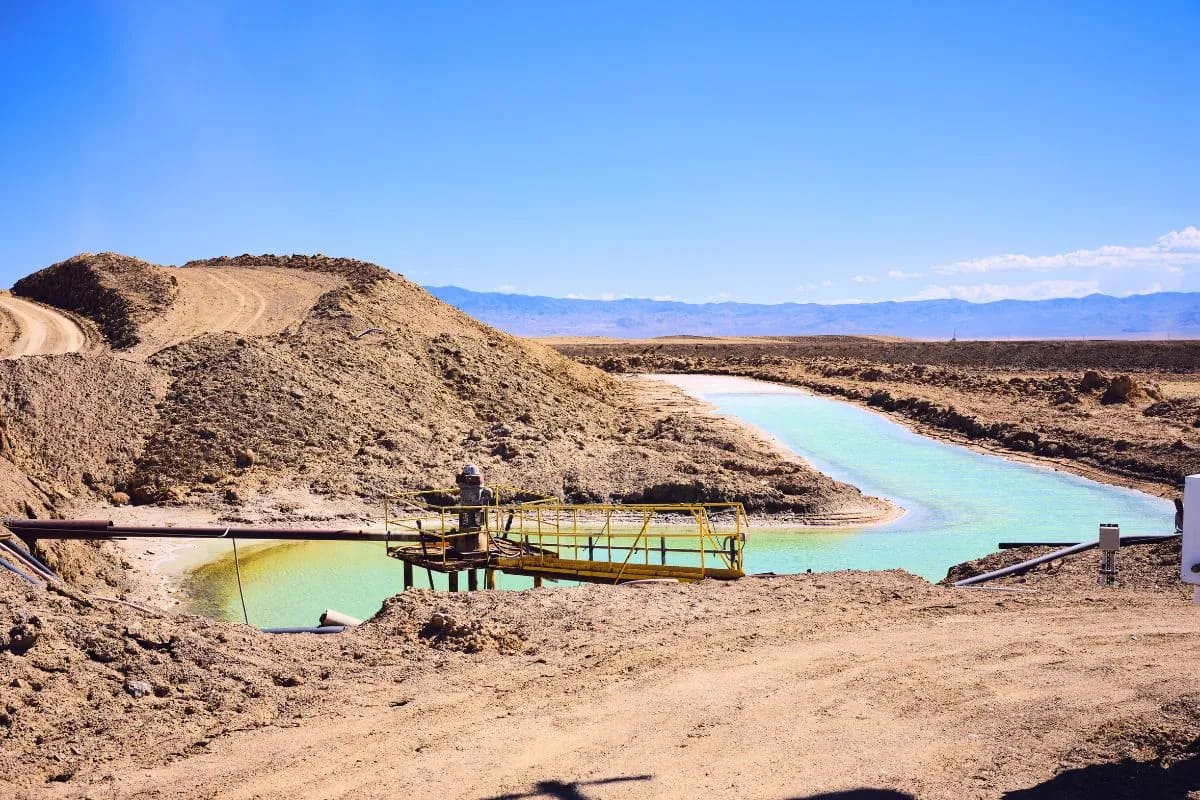
In a world racing to decarbonize, the search for strategic minerals has become nothing short of a modern gold rush. At the heart of this transformation lies lithium — the essential ingredient powering electric vehicles, renewable energy storage, and much of tomorrow’s clean technology. A recent discovery in China has just reshuffled the deck. This isn’t just a geological breakthrough — it’s a move with far-reaching consequences for global markets, industrial power, and geopolitics.
A Game-Changing Discovery in the Himalayas
Tucked away in the remote highlands of Tibet, Chinese geologists have uncovered what could be one of the largest lithium deposits on Earth — a find that’s estimated to hold 30 million tonnes of lithium, worth around €600 billion at current market prices. This discovery doesn’t just shift the geological map; it has the potential to redraw the global balance of power in the clean energy race.
To put things in perspective, this single deposit is enough to catapult China into second place globally for lithium reserves, just behind Chile and ahead of long-time heavyweights like Australia and Bolivia. In a world racing to electrify, lithium is no longer just a commodity — it’s a geopolitical tool.
A Lithium Belt That Could Reshape Supply Chains
The newly discovered deposit isn’t an isolated pocket. It sits within a vast geological formation stretching nearly 2,800 kilometers, known for its spodumene-rich rock — one of the most commercially viable sources of lithium extraction.
According to preliminary estimates, this belt could yield 6.5 million tonnes of refined lithium in the short term, and potentially five times that amount over time. If realized, this would give China control of over 16% of global lithium reserves, a leap from its previous share of just 6%.
For a country already eyeing dominance in electric vehicles (EVs) and renewable energy, the timing couldn’t be better. Lithium-ion batteries are the beating heart of both industries, and as someone who recently switched to an EV myself, I’ve seen firsthand how reliant these cars are on this mineral. Without lithium, your green ride is going nowhere.
China’s Industrial Advantage Just Got Bigger
China is already the world’s largest player in battery manufacturing, accounting for more than 75% of global lithium-ion battery capacity in 2022. This new find bolsters an already dominant position, making the nation less reliant on imports and more capable of managing its own destiny.
The implications are massive. From smartphones to solar power storage to the cars of tomorrow, lithium is the common denominator. And for countries racing to decarbonize, control over its supply chains is a strategic priority.
Beyond raw materials, China’s domestic industries stand to benefit. Cheaper and more secure access to lithium could supercharge its consumer electronics, clean tech, and EV sectors, giving them a competitive edge on price and production scale.
Cleaner Mining Through Innovation
Of course, no lithium story is complete without a closer look at the environmental cost. Traditional extraction methods — whether from hard rock or brine — are notorious for their water consumption and ecological disruption.
China, aware of this scrutiny, has ramped up efforts to make extraction cleaner. Advances in processing minerals like lepidolite — once considered too costly or inefficient to mine — are now bearing fruit. Provinces like Jiangxi, Hunan, and Inner Mongolia are seeing a surge in new technologies that improve yields and reduce environmental damage.
While there’s still a long way to go, these innovations suggest that high-volume extraction doesn’t have to come at the planet’s expense.
Global Reach, Strategic Intent
China isn’t placing all its bets at home. The country has been investing abroad, including a large-scale lithium mine in Mali projected to produce over 500,000 tonnes of hard-rock lithium annually. Despite ongoing security concerns in the region, the goal is clear: diversify supply to reduce vulnerability and maintain influence in global markets.
By combining domestic production with overseas investments, China is building a resilient, long-term strategy for resource security — one that mirrors its ambition to lead in clean energy and high-tech manufacturing.
The Broader Impacts of a Lithium Power Shift
This discovery isn’t just about economics. It marks a pivotal moment in the global energy transition. As countries race to ditch fossil fuels, lithium stands at the center of clean power. With these new reserves, China could help stabilize the often-volatile price of lithium, potentially making renewable technologies more affordable worldwide.
But this growing concentration of supply raises valid concerns. What happens if one nation controls a critical mass of such a strategic resource? Will it fuel cooperation — or competition? It’s a question policymakers, businesses, and environmentalists are all beginning to ask.
In the meantime, China is quietly but confidently consolidating control — not just over batteries, but over the very elements that fuel the 21st century. And in a world increasingly powered by electricity, that’s not just an advantage. It’s a position of power.