Ukraine’s fight against Russian aerial attacks is set to receive a major boost from an unlikely but powerful source: former Google CEO Eric Schmidt. The American tech billionaire has signed a deal with Kyiv to deliver vast numbers of interceptor drones designed to hunt down and destroy enemy aircraft.
A high-tech shield against Russian drones
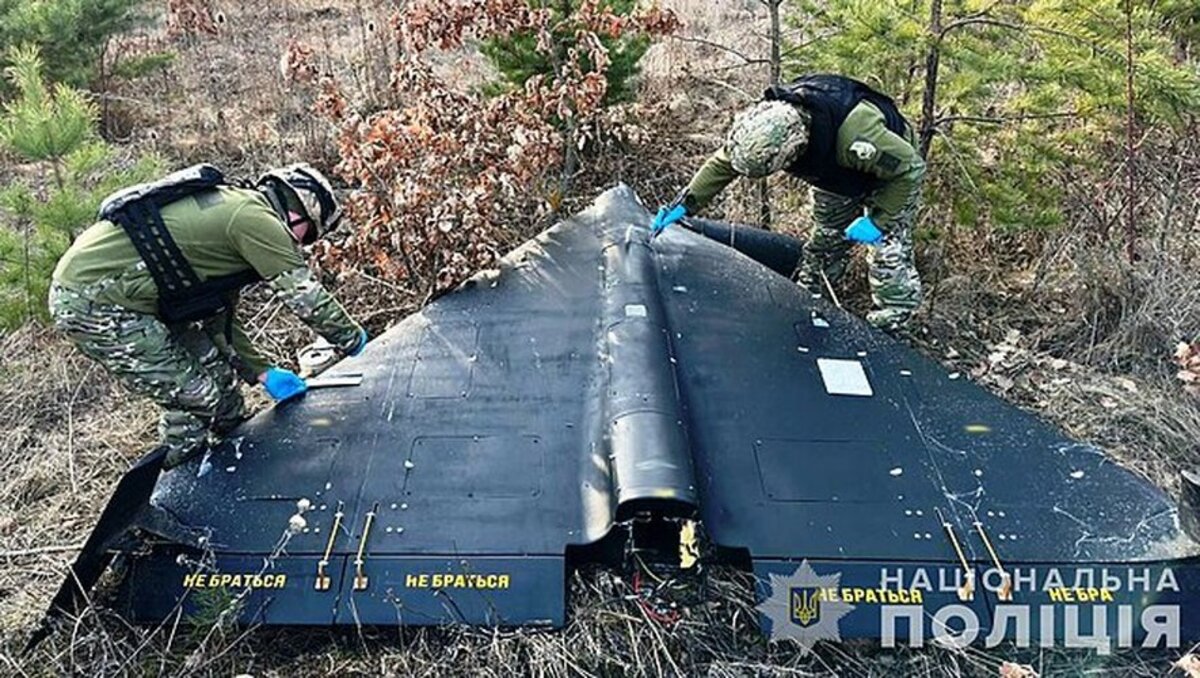
The agreement will see “hundreds of thousands” of kamikaze-style interceptor drones supplied to Ukraine by the end of 2025. These unmanned systems will play a key role in countering Russia’s Shahed drones, which have been used extensively to target Ukrainian infrastructure and cities.
The drones will be produced by Swift Beat, Schmidt’s new defence technology company. Still relatively low-profile, the firm specialises in autonomous systems, including medium-range strike drones, FPV kamikaze drones, and advanced aerial interceptors.
Early trials have already shown promising results, with Swift Beat drones reportedly taking down nine out of ten Shaheds in recent tests.
From Silicon Valley to the battlefield
Schmidt, whose personal fortune exceeds $24 billion according to Forbes, spent most of his career at Google before becoming an adviser to the Pentagon and other U.S. defence committees focused on artificial intelligence. His pivot into defence technology marks a significant shift for one of America’s most prominent tech leaders.
In 2024, he also launched the D3 Fund, investing $10 million in Ukrainian start-ups developing cutting-edge military technology. His latest move represents not just financial backing, but direct involvement in the manufacturing of tools designed to protect Ukraine’s airspace.
Scaling up for the future
The demand for these systems is only expected to grow. Swift Beat has already signalled plans to expand production capacity into 2026 to meet both Ukrainian needs and potential future defence contracts.
For President Volodymyr Zelensky and Ukraine’s military planners, the partnership is more than a donation—it’s a strategic collaboration aimed at building a robust, drone-based air defence network that can adapt to evolving threats.
With Schmidt’s resources, technological expertise, and commitment, Ukraine may soon have one of the most advanced anti-drone shields in the world.