It sounds like something ripped straight from a galaxy far, far away—but according to reports, Chinese scientists may have taken the first real-world steps towards building an energy weapon straight out of science fiction.
A weapon inspired by fiction, realised by science
If you’re imagining a giant laser beam slicing through the sky like in Star Wars, you’re not entirely off. Chinese researchers say they’ve managed to develop a new kind of weapon that merges multiple microwave energy beams into one devastating blast, capable of targeting and destroying a specific object.
Their method? Deploy several vehicles, each fitted with high-powered microwave transmitters. These need to be placed in precisely calculated positions—within millimetres of accuracy—to ensure their beams converge in perfect harmony on a single target. When done correctly, the result is a single, ultra-focused ray of energy, capable of considerable damage.
A feat of precision and synchronisation
Now, pulling that off in a lab is one thing. Reproducing it in the chaos of the real world? That’s another challenge entirely.
The level of synchronisation needed is staggering. The seven microwave-emitting vehicles must coordinate their energy beams within 170 picoseconds—that’s 0.00000000017 seconds. To hit that target, the team used a system of fibre-optic cables and integrated lasers to keep everything aligned down to the tiniest fraction of time.
It’s worth noting, even China’s advanced navigation systems reportedly can’t guarantee this level of real-time precision in an uncontrolled environment. For now, it’s still very much a laboratory-bound prototype.
A new phase in the race for directed-energy weapons?
If the technology does break free from its current constraints, it could mark a turning point in the development of directed-energy weapons (DEWs)—a concept long pursued by military researchers globally. These systems rely purely on energy, not physical ammunition, making them cheaper, lighter, and easier to deploy (at least in theory).
While this current prototype may not be ready for battlefield deployment just yet, the mere existence of a functioning energy convergence system sets the stage for new possibilities—like jamming GPS signals, disabling electronic systems, or even intercepting drones and missiles without firing a single bullet.
Science fiction, or the future of warfare?
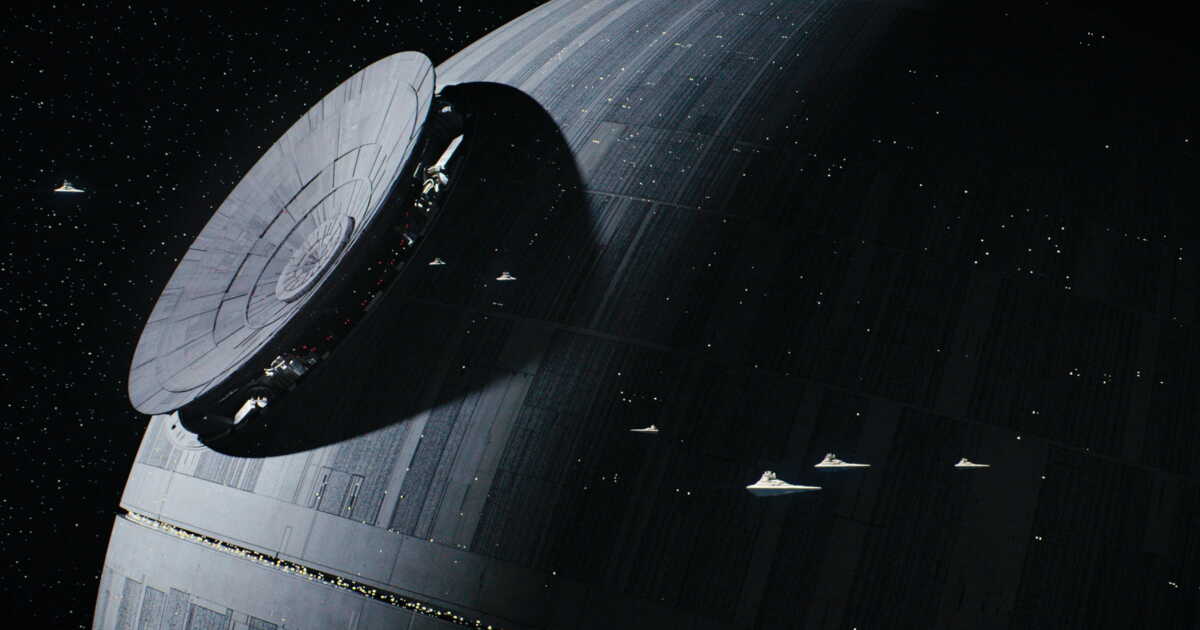
It’s tempting to laugh off terms like “Death Star” and imagine all this as a headline from a pulp magazine. But behind the buzz lies a serious shift in how modern warfare may evolve. The blend of advanced synchronisation, remote vehicle deployment, and laser precision is more than a sci-fi fantasy—it’s the beginning of a new technological frontier.
China’s announcement, while still in its infancy, signals that the race toward next-generation defence systems is accelerating. Whether it’s a global breakthrough or a fleeting experiment remains to be seen—but one thing’s clear: the line between fiction and reality just got a little blurrier.