A growing body of research suggests that climate change is not only transforming our environment—it’s also shaping our very bodies. A new study reveals that over the past million years, fluctuations in global temperatures have been closely linked to changes in human body size and proportions.
Bigger bodies thrive in colder climates
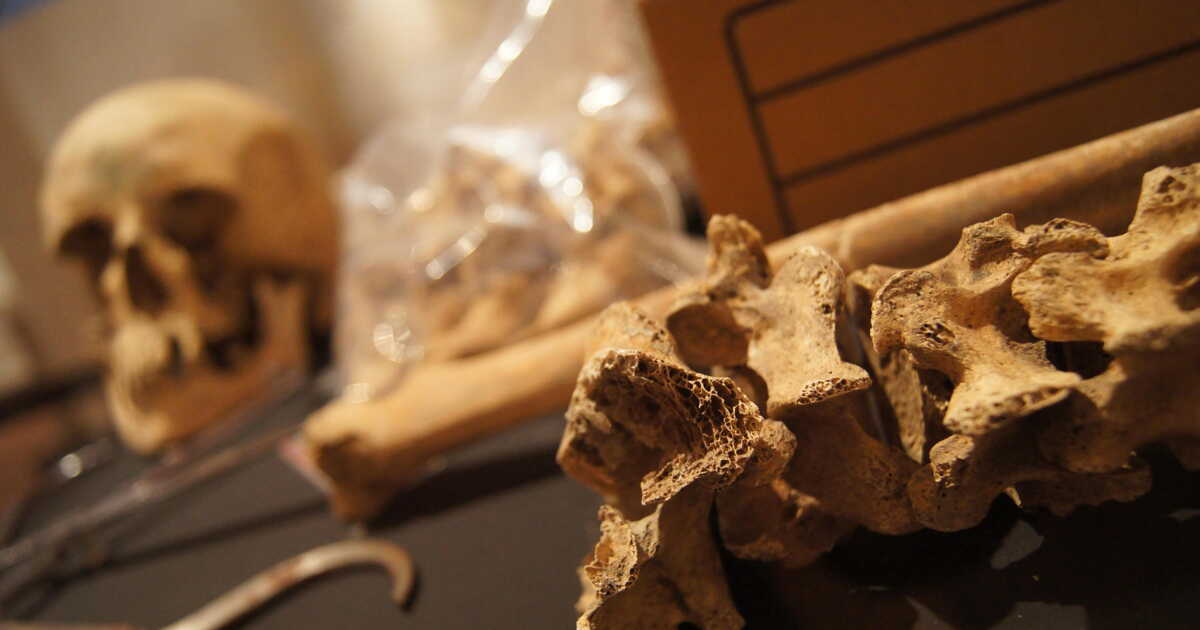
Researchers from the University of Cambridge and the University of Tübingen examined over 300 Homo fossils, including those of early humans and Homo sapiens, comparing their body and brain sizes to the climates in which they lived. By reconstructing past regional temperatures, they found a clear pattern:
Humans living in colder environments tended to have larger, more robust bodies, while those in warmer climates were generally smaller.
Andrea Manica, professor of evolutionary ecology at Cambridge, explains the logic: “Larger bodies conserve heat more effectively because they have a smaller surface area relative to volume. It’s the same principle observed in many animals—and now we know it has been a key driver of human body size for the past million years.”
Brain size is less influenced by temperature
The connection between climate and brain size proved less straightforward. While environmental factors played some role, the researchers found that brain evolution was more strongly shaped by other pressures—such as increasingly complex social structures, diverse diets, and advances in technology.
These findings suggest that while the body adapted largely to physical climate challenges, the brain was shaped by cultural and cognitive demands.
Not just humans feeling the change
Humans aren’t the only species affected. A 2019 study revealed that North American migratory birds have been shrinking in size over the past four decades, a likely response to rising temperatures. The researchers behind the latest study believe similar changes could occur in human populations as global warming intensifies.
This research offers a stark reminder that climate change doesn’t just alter the world around us—it can also change us. As our planet warms, the physical adaptations that shaped our ancestors may once again influence the size, shape, and resilience of future generations.