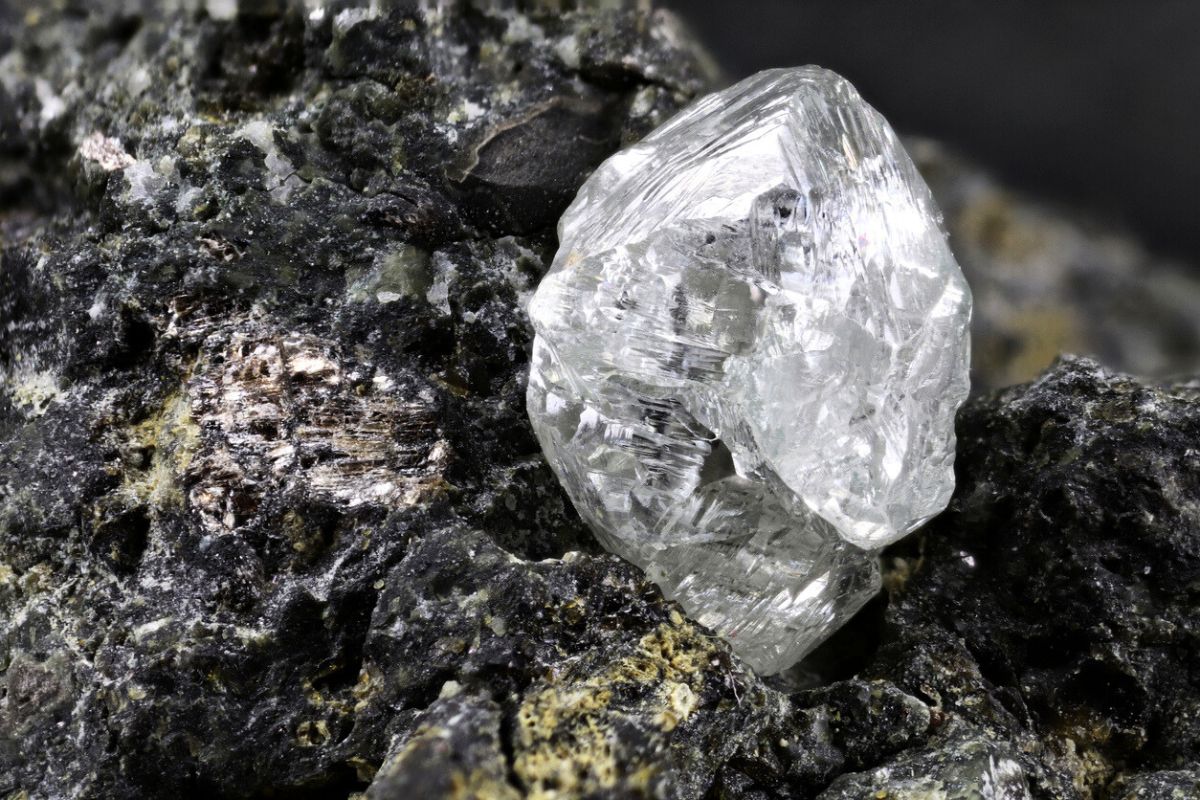
A new geological discovery has shed light on one of Earth’s most dazzling mysteries: the explosive eruptions that carry diamonds from deep within the Earth to the surface may be triggered by the breakup of supercontinents. This link between tectonic shifts and diamond-rich eruptions could transform the way we search for hidden treasures underground — and it starts with some of the most violent natural events on the planet.
The secret life of kimberlite eruptions
I remember standing in front of a dusty rock sample in a geology museum in Johannesburg — a humble chunk of kimberlite, the host rock for diamonds. What struck me wasn’t its appearance, but the sheer violence behind its existence. Kimberlite eruptions are not your average volcanic events. These explosive outbursts originate about 150 kilometers beneath Earth’s surface, where immense heat and pressure create the perfect cradle for diamond formation.
But diamonds don’t just float to the surface. They’re blasted upward, carried at speeds that can reach over 100 kilometers per hour — comparable to a small aircraft. Some of these ancient eruptions may have rivaled the legendary Mount Vesuvius in force, hurling gas, rock, and ash skyward in plumes of volcanic fury. “It’s like uncorking a shaken bottle of champagne, only on a planetary scale,” says Professor Thomas Gernon from the University of Southampton.
When continents crack, diamonds rise
So, what sets off these explosive diamond rides? That’s the question scientists have been chasing for years. Strangely, kimberlite eruptions tend to occur in the hearts of continents — places with thick, stable crust, far from the edges where earthquakes and volcanoes usually make headlines.
Now, Gernon and his team believe they’ve cracked the code. After analyzing 500 million years of kimberlite activity, they found a striking pattern: these eruptions tend to surge about 25 million years after a supercontinent begins to break apart. Think of Pangæa or Gondwana — vast landmasses that once held today’s continents together.
In Africa and South America, kimberlite activity peaked around 180 million years ago, shortly after Gondwana began to split. A similar timeline unfolded in North America after Pangæa’s breakup. It’s as if the slow-motion destruction of a supercontinent sets a timer, eventually triggering deep, violent pulses from Earth’s mantle.
A dynamic engine beneath the crust
What’s happening beneath our feet is more complex — and more fascinating — than it might seem. Using high-resolution computer models, scientists have simulated the way tectonic plates stretch and fracture over time. As these massive plates pull apart, they weaken the base of the continental crust, allowing superheated mantle rock to surge upward.
This process creates unstable zones, which slowly ripple inward over hundreds or even thousands of kilometers. In these zones, water– and carbon-rich minerals from the mantle mix with the ingredients needed for kimberlite formation. The result? A pressurized, volatile blend that eventually explodes, launching diamonds skyward.
It’s a bit like shaking a bottle — but the bottle is made of rock, and the fizz comes from the chemistry of Earth’s deep interior.
A new roadmap for diamond discovery
For those in the business of finding Earth’s buried riches, this discovery is more than a scientific curiosity — it’s a potential game-changer. If geologists can trace where and when these tectonic shifts occurred, they could identify prime zones for diamond exploration with far greater accuracy.
And the implications go further. This mechanism may explain other types of volcanic eruptions that occur far from active fault lines — in places long thought to be geologically quiet. What seems like stillness on the surface may hide dynamic forces in the mantle below.
A glimpse into Earth’s deeper rhythms
While this study focuses on diamonds and kimberlites, its reach extends into the broader story of how our planet breathes and shifts. As Gernon suggests, the same interactions between crust, mantle, and tectonic plates might influence everything from volcanic chains to mountain formation — and even the long-term climate record.
The research, published in Nature, opens a fresh window into Earth’s hidden mechanics. It also reminds us that some of the planet’s greatest treasures — both in beauty and in knowledge — come not from stillness, but from rupture.