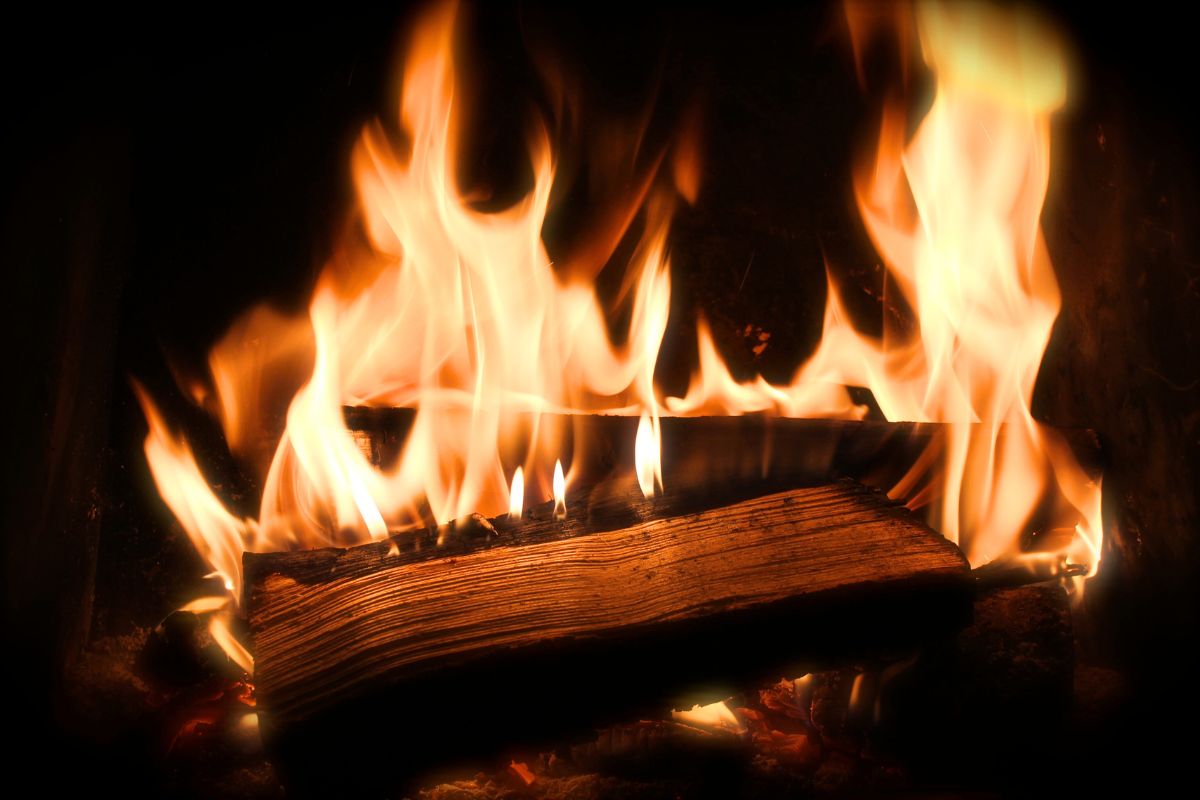
The French government is set to phase out wood heating by 2027, with significant implications for public health, the economy, and rural communities.
The Environmental Impact of Wood Heating: Why This Ban?
For years, wood heating has been seen as an eco-friendly, renewable resource—especially in rural areas where it’s often the most affordable option. However, recent studies have raised concerns over its negative environmental impact, particularly in urban settings. Wood stoves and fireplaces can emit carbon monoxide and fine particulate matter, both of which are harmful to human health.
The European Commission’s decision to push for a ban is grounded in public health concerns, particularly in densely populated areas. Cities like Paris and Marseille are already grappling with air pollution, and the hope is that by eliminating wood heating, they can significantly improve air quality. The goal is to reduce the incidence of respiratory and cardiovascular diseases linked to poor air quality, a measure that, according to experts, could save lives annually.
Health Risks and the Need for Action
The alarming rise in air pollution-related illnesses has prompted action. In urban environments, where buildings are packed close together, the effects of smoke and fine particles from wood burning can accumulate, creating dangerous health risks. France, in line with broader European goals to tackle climate change and reduce pollution, is pushing this initiative to protect its citizens, particularly those living in inner-city areas who are most vulnerable.
With statistics showing an uptick in related health problems, especially among the elderly and children, stricter regulation of heating methods like wood burning is viewed as a necessary step to ensure cleaner, safer air for everyone.
The Economic and Social Challenges of Transition
One of the major hurdles of this legislation is its economic impact. Many French households, especially in rural regions, rely on wood heating not just for comfort, but because it’s a low-cost solution. Transitioning to more modern heating systems—like heat pumps or biomass boilers—requires significant investment, which can be financially prohibitive for some.
In rural areas, where incomes may be lower and access to alternative energy sources can be limited, the shift away from wood heating may cause concern. People have grown accustomed to the affordability and reliability of wood as a fuel source, especially in times of energy crises. For some, the switch to more expensive, though more sustainable, alternatives may seem like an insurmountable financial burden.
European Concerns: The Case of Germany and the Czech Republic
This proposed ban has raised eyebrows in other European countries as well. Germany and the Czech Republic, both of which have long-standing traditions of wood heating, are voicing concerns over the potential impact on local economies. In these nations, wood heating is not just an environmental practice—it’s deeply embedded in cultural and economic activities.
Wood industries in these countries have expressed their fear of losing jobs and facing economic instability. For countries with a significant portion of the population relying on wood heating, there are worries about losing age-old skills, including wood processing and stove construction.
Why Support Measures Are Crucial for a Successful Transition
For the ban to succeed without causing undue strain on families and industries, support measures are essential. Financial incentives, subsidies, and grants are critical to helping households make the switch to cleaner alternatives. With the right support, households will be able to install green heating technologies like heat pumps, solar thermal panels, and efficient biomass boilers, all of which are more sustainable and healthier options.
Public support will also need to come in the form of education and guidance. People need to be informed about the importance of reducing their carbon footprint and the long-term benefits of switching to renewable energy. These efforts should be coupled with incentives to lower the costs of new systems, making the transition more accessible to everyone.
Ensuring a Just Transition: Mobilizing Communities and Governments
The role of local governments will be pivotal in implementing this ban. Whether it’s providing financial aid or simply helping citizens navigate the transition process, a strong, coordinated effort at both local and national levels is necessary. Public awareness campaigns can make a difference, ensuring that people are not just informed about the dangers of air pollution, but also encouraged to embrace more sustainable practices.
The move to phase out wood heating is part of France’s broader goal to reduce its reliance on fossil fuels and curb its carbon emissions. But achieving this requires a balance between environmental concerns and the real-world challenges that people face. It’s a complicated issue, but with the right support, it’s an opportunity to create healthier, more sustainable communities across the country.
As the 2027 deadline approaches, the focus must remain on making this transition as smooth as possible, without leaving anyone behind. The French government’s strategy must be inclusive, addressing both the ecological need for cleaner air and the social need for affordable energy solutions. If done correctly, this could pave the way for a cleaner, greener future for all.