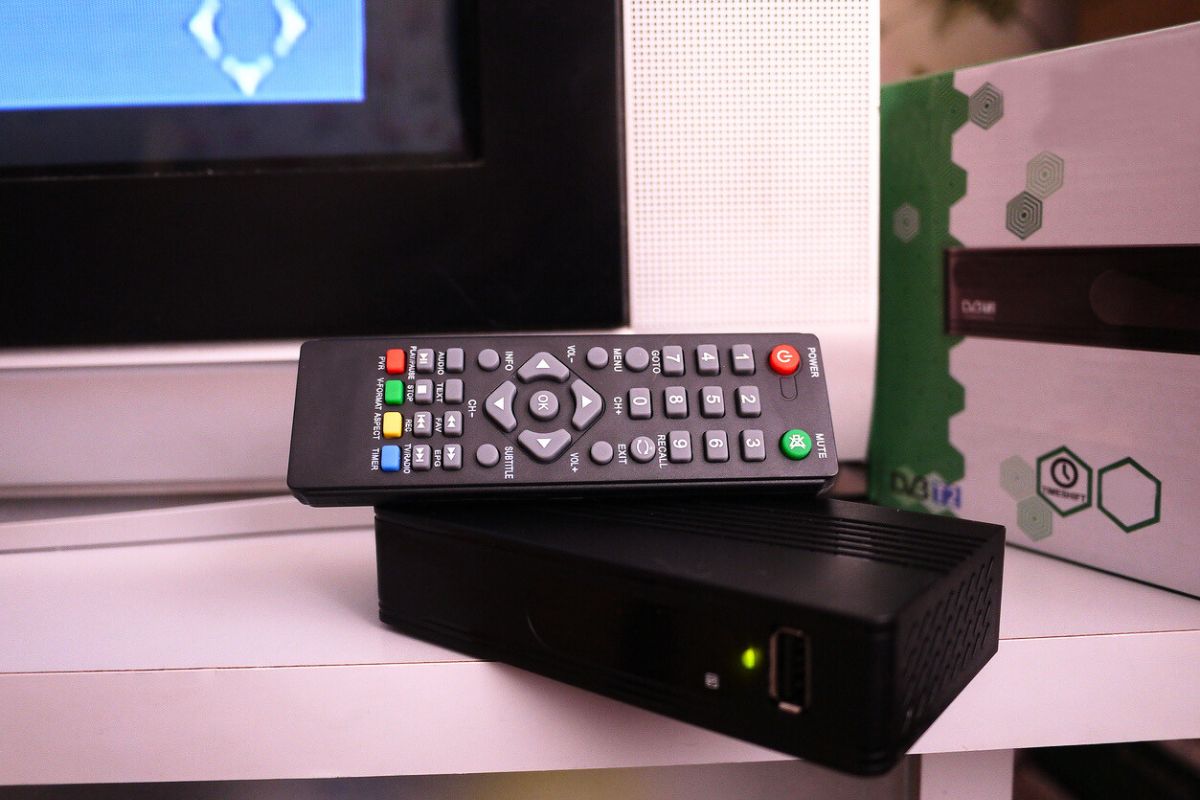
Ever wonder if you could catch all your favorite shows without paying monthly fees or relying on Wi-Fi? Imagine flipping on your TV and accessing local news, sports, and entertainment via radio or satellite signals alone—no internet required. A simple decoder brings this vision to life, providing a game-changer option for anyone in areas where broadband is scarce or too expensive. By converting over-the-air or satellite broadcasts into clear, uninterrupted programming, these devices offer an intuitive and cost-effective way to enjoy television without the need for streaming services or data plans.
What Is a Decoder to Get All Channels for Free Without Internet?
A decoder for free TV without internet is a standalone gadget that captures broadcast signals—either through a terrestrial antenna or a satellite dish—and translates them into the images and sound your television displays. I remember helping my cousin in a remote village set one up last summer; within minutes, she was watching national news and regional programming without ever touching a streaming app. By bypassing the internet entirely, this decoder delivers a free-to-air bouquet of channels, making it perfect for areas with limited connectivity.
Definition and How It Works
At its core, the decoder acts like a translator: it receives electromagnetic waves beaming down from a local broadcast tower or a satellite thousands of miles away, then decodes those signals into a format your TV can render. No buffering, no data usage—just instant access to live channels. According to the European Broadcasting Union (EBU), over-the-air digital broadcasting remains one of the most reliable methods for delivering television, particularly in regions where internet infrastructure is underdeveloped.
Different Types of Decoders Available
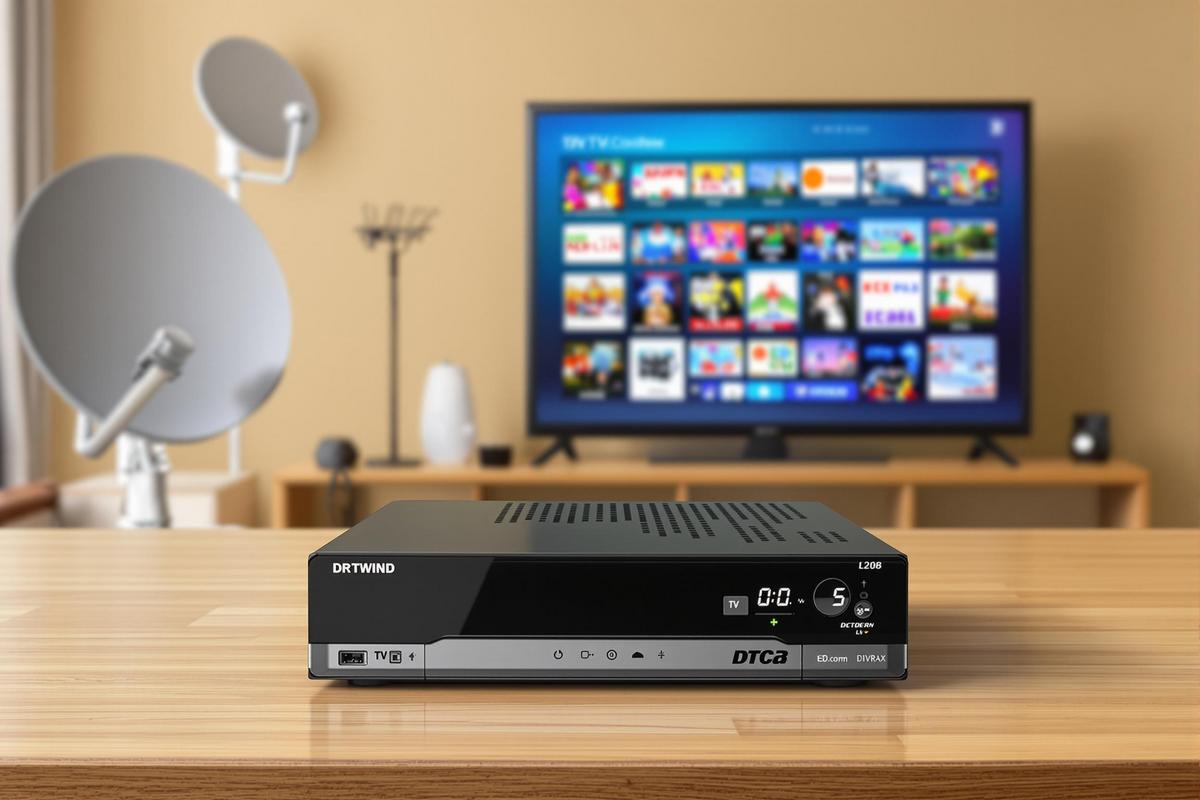
When it comes to capturing free channels without the internet, two main categories dominate the market: TNT decoders (for terrestrial digital broadcasts) and satellite decoders. Each caters to different needs and geographic situations.
TNT Decoders
Easy Installation: Simply connect the decoder to an indoor or rooftop antenna. My aunt, not exactly tech-savvy, had hers up and running in under ten minutes.
Zero Monthly Fees: Once it’s hooked up, you unlock access to dozens of local and national channels without ever spending a cent again.
HD Picture Quality: Most TNT decoders deliver crisp high-definition broadcasts, ensuring a pleasant viewing experience.
Bear in mind, though, that reception quality varies by location. If you live in a valley or an area surrounded by tall buildings, you might encounter signal dropouts. Always check a local TNT coverage map before making a purchase.
Satellite Decoders
Wider Channel Selection: Satellite decoders tap into a broader array of channels—everything from international news networks to specialized movie and sports stations.
Reliable Reception: Even in remote countryside homes, a properly aligned dish can fetch a stable feed. A friend of mine replaced his outdated antenna with a small dish last winter and instantly gained access to dozens of channels, including premium sports.
Stable Quality: Satellite signals are less prone to interference, though severe weather can sometimes cause brief disruptions.
However, you’ll need a satellite dish, which often requires professional installation for precise alignment. While the upfront cost is higher, the long-term savings and variety of channels often make it worthwhile for those living far from urban centers.
How to Choose the Best Decoder for Your Needs
Picking the right decoder doesn’t have to be complicated. Focus on a few key criteria to guide your decision.
Criteria to Consider When Choosing a Decoder
Compatibility: Ensure the decoder’s output ports—HDMI or AV—match your TV’s inputs. A quick check can save you from buying extra adapters.
Picture Quality: Look for decoders supporting at least 720p HD for a clear, enjoyable picture, especially if you plan to watch fast-paced sports or nature documentaries.
Ease of Use: A straightforward interface and simple remote control go a long way. My elderly neighbor praises his TNT decoder’s menu as remarkably user-friendly.
Price vs. Features: Compare initial costs with the features offered. Sometimes, spending a bit more upfront means fewer headaches later—like built-in electronic program guides or automatic channel updates.
The Most Popular Brands on the Market
When it comes to reliability and durability, a few brands consistently stand out:
Samsung: Known for robust construction and regular firmware updates to keep your decoder running smoothly.
LG: Offers responsive interfaces and solid signal processing, making it easy to scan and save favorite channels.
Sony: Packs advanced features—such as parental controls and customizable program guides—into stylish, compact units.
By choosing a reputable brand with strong customer support, you minimize the risk of technical glitches and ensure your free TV experience remains satisfying for years to come.
Ultimately, a decoder that doesn’t rely on internet connectivity can be a transformative investment. Whether you live in a bustling city or a remote rural area, this straightforward device unlocks a broad selection of local, national, and international programming—without adding another line item to your monthly expenses.