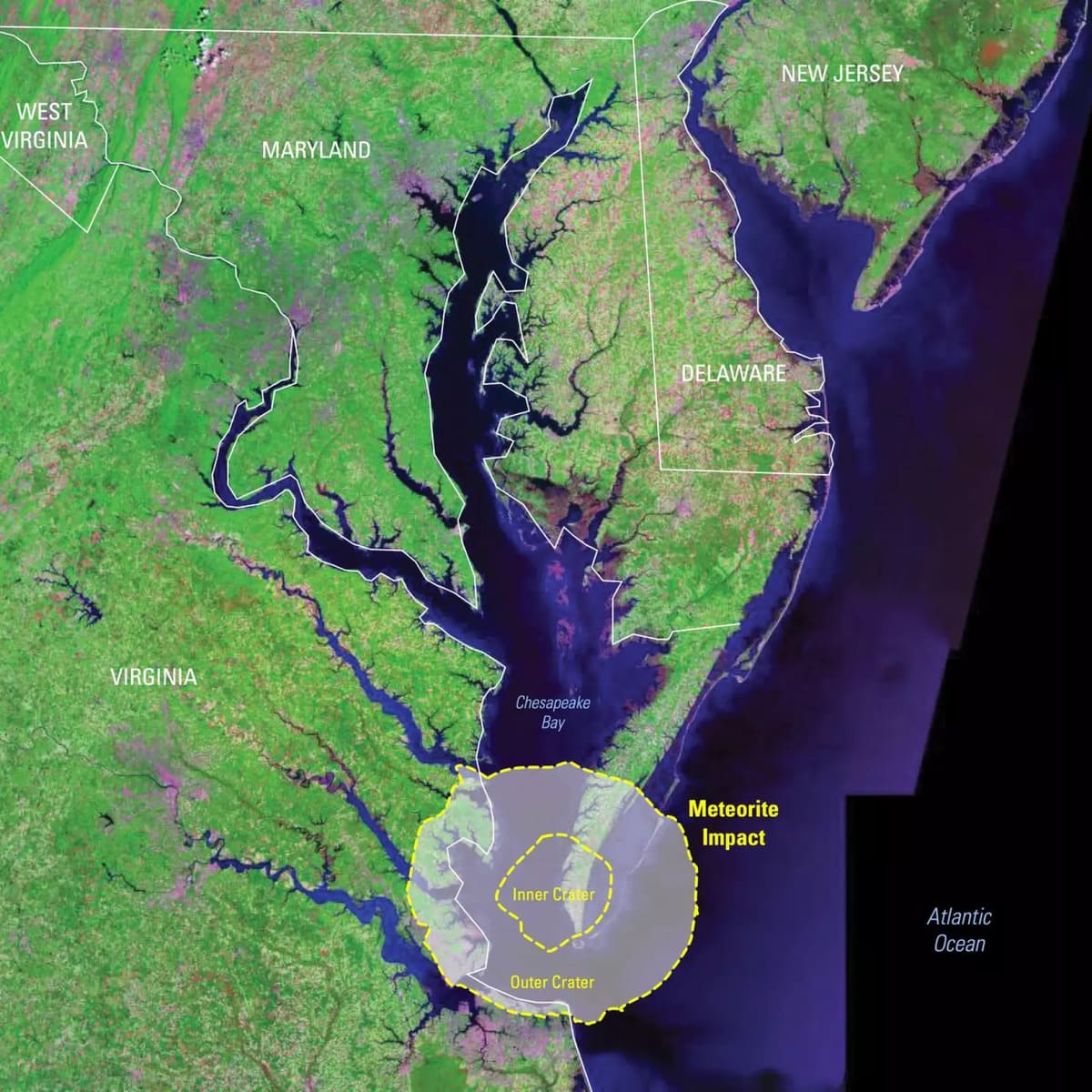
Imagine stumbling upon a secret buried beneath your feet that tells the story of a cataclysmic event 35 million years ago. That’s exactly what a team of geologists has done in North Carolina, revealing traces of a massive tsunami triggered by an asteroid impact in what is now the Chesapeake Bay.
Documenting a 35-million-year-old tsunami
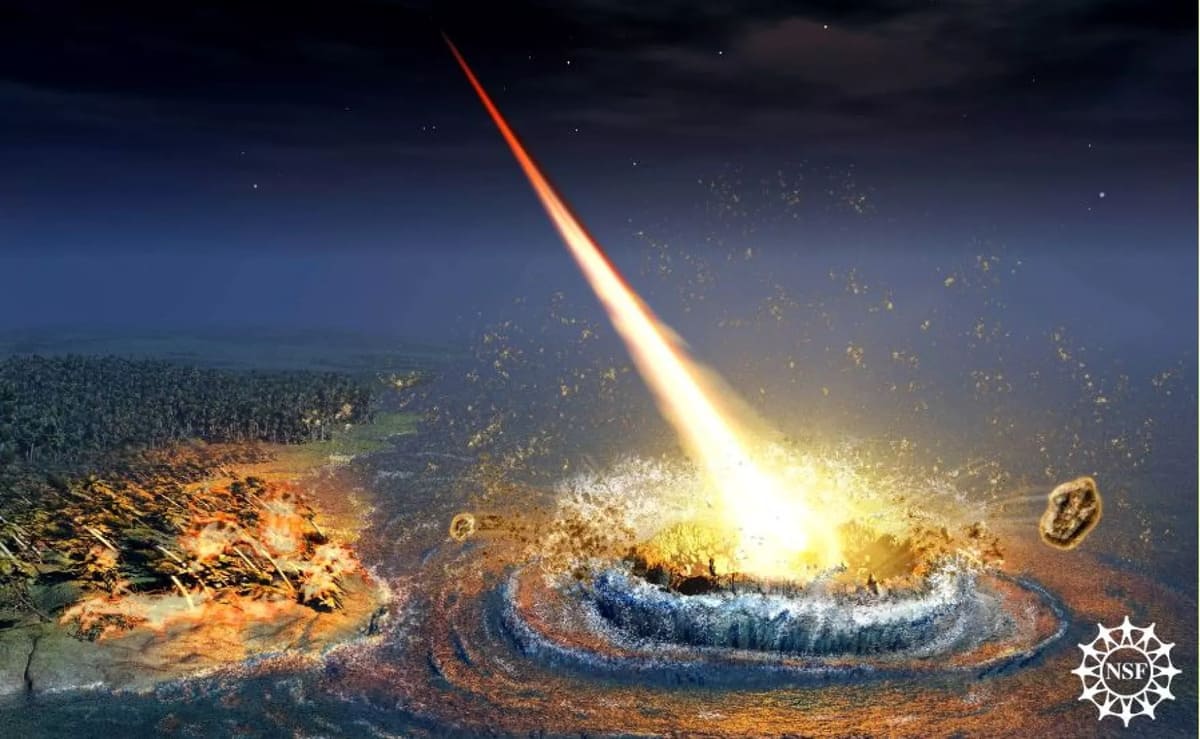
About 35 million years ago, an asteroid roughly 2–3 miles wide slammed into the shallow seas off southeastern Virginia at 44,000 mph, carving out what would become the Chesapeake Bay impact crater. While researchers have long studied the underwater crater—now known as the largest in the United States—recent fieldwork has, for the first time, traced the tsunami’s reach more than 240 miles downstream into the Sandhills region of North Carolina.
A chance discovery in Moore County
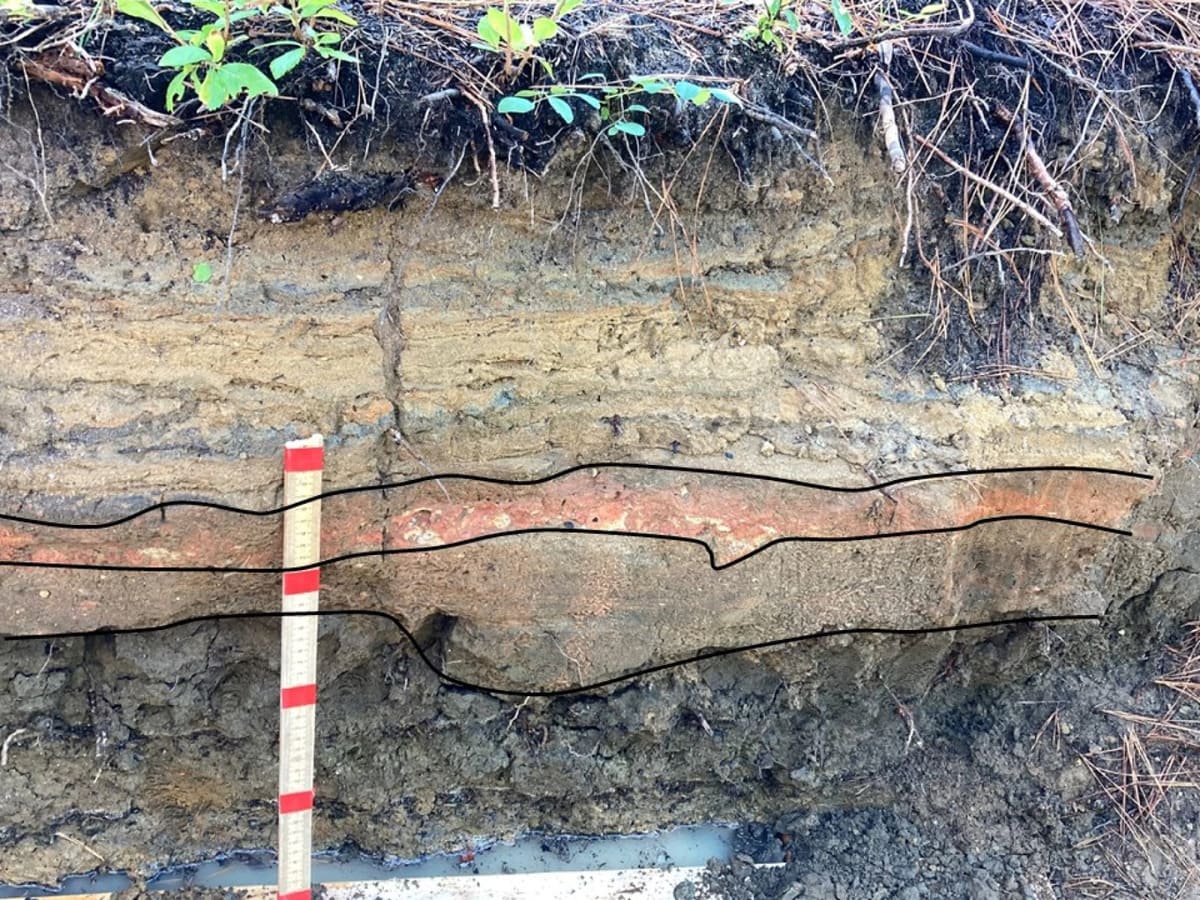
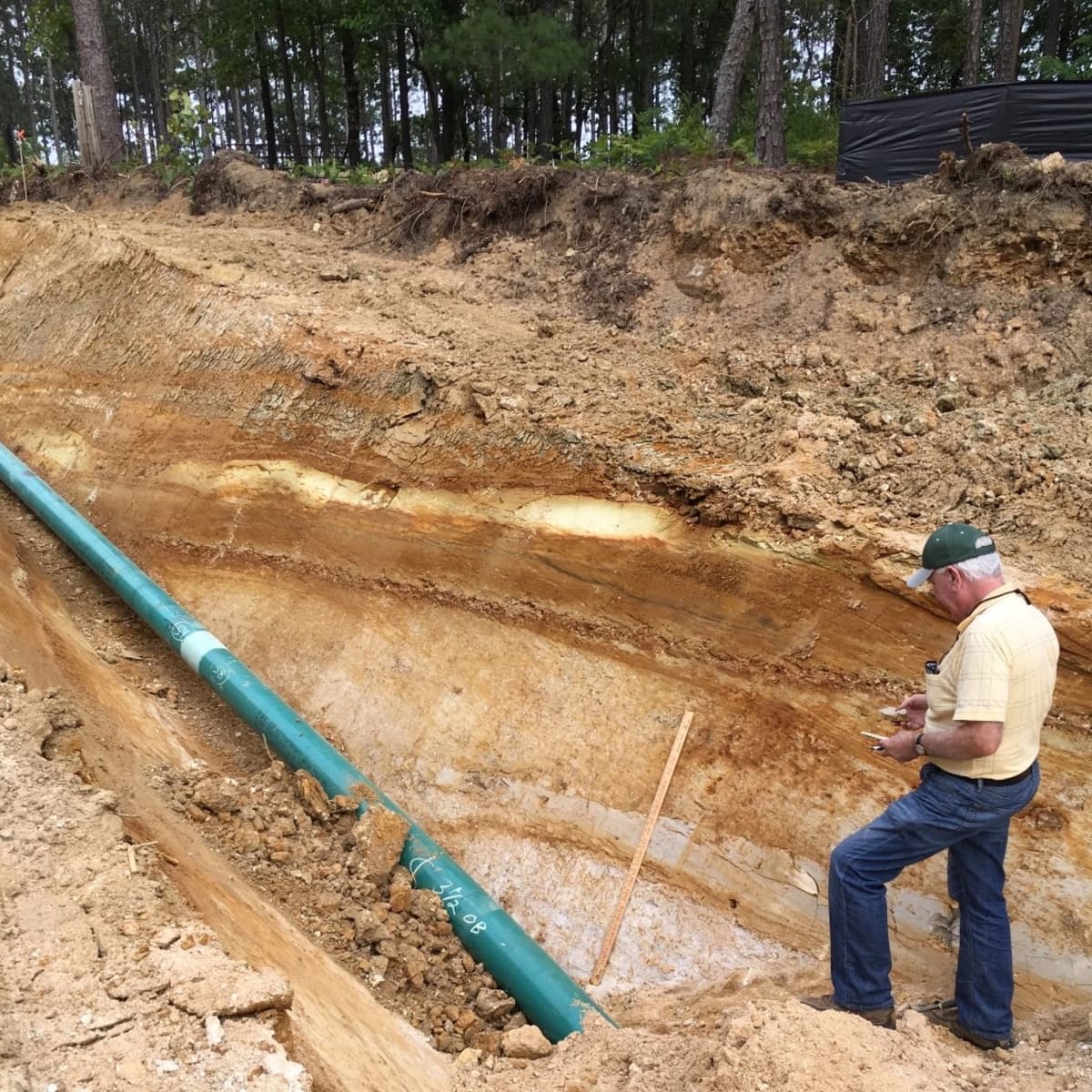
The breakthrough began when retired geologist Bob Ganis was called to examine a trench cut for a pipeline on Paint Hill Farm. At ten feet deep, he encountered puzzling sediment layers that didn’t fit local geology. “I had no idea what I was looking at,” Ganis recalls. Careful analysis of shark tooth fossils and iridium traces—an element abundant in asteroids—pointed him toward an extraordinary conclusion: these deposits were the result of an ancient tidal wave unleashed by the Chesapeake impact.
Piecing together the evidence
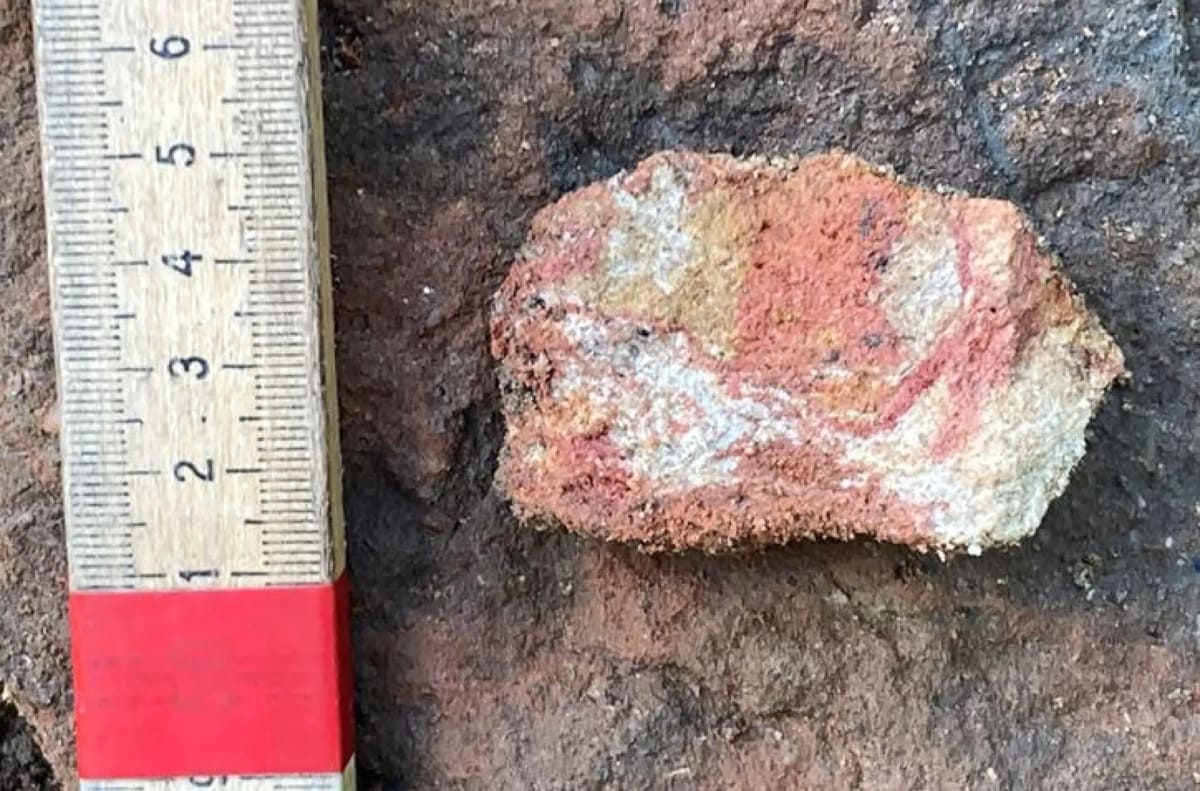
Ganis teamed up with Old Dominion University’s Rich Whittecar to decode the layers. They identified a charcoal-laden stratum and glassy fragments typical of an explosive blast, followed by a sandy conglomerate rich in plinthite—an iron-oxide clay more common in tropical seabeds. “We realized the tsunami must have scoured the ocean floor, carrying that material inland,” says Whittecar. Together, they confirmed the find was not local erosion but the signature of a monster wave born from space.
Lessons for today and tomorrow
Beyond rewriting the story of the Chesapeake event, this discovery underscores the powerful legacy of extraterrestrial impacts on Earth’s landscape. As Dr. Whittecar notes, “Understanding these ancient hazards reminds us that if we can one day deflect a threatening asteroid, it could save countless lives.” Meanwhile, the site at Weymouth Woods Sandhills Nature Preserve will preserve these deposits for public education, offering a tangible link to a world before mammals dominated the seas.
This remarkable find transforms our view of the ancient Atlantic coast, proving that the ripples from the Chesapeake Bay bolide still resonate far beyond Virginia’s shores—even millions of years later.