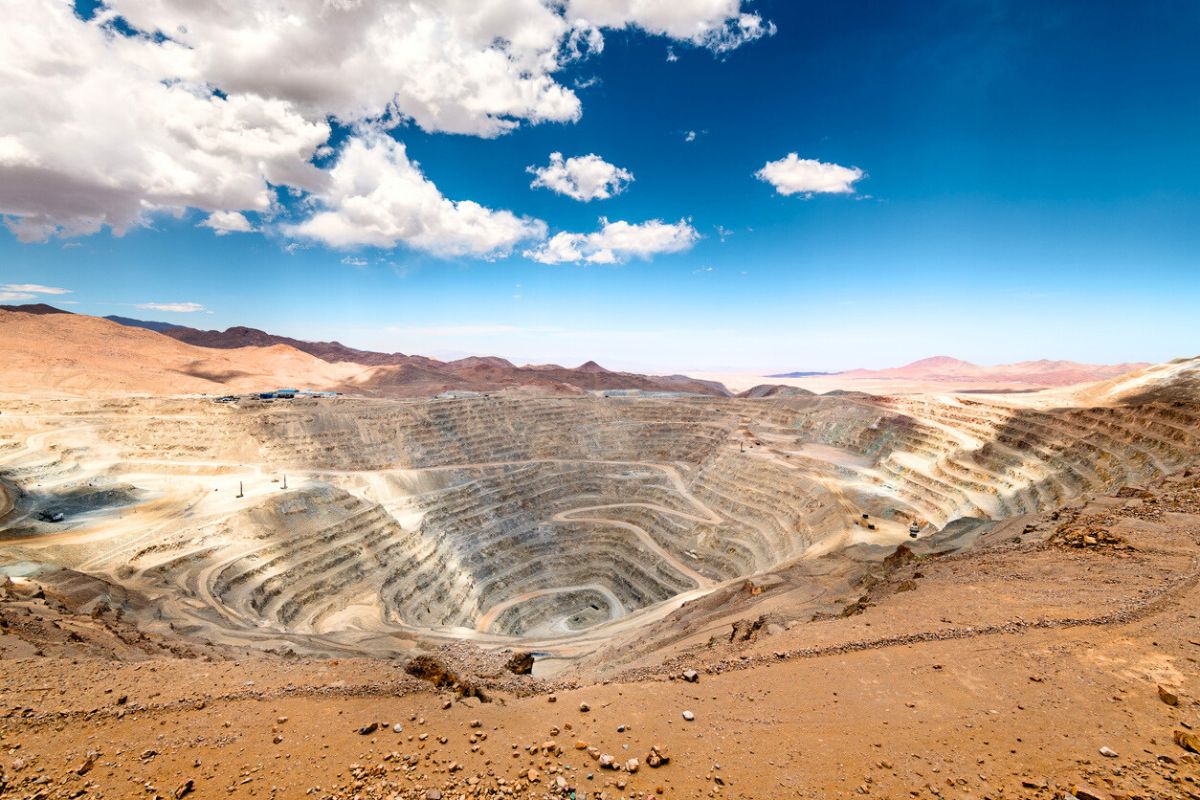
I’ll never forget my first trek into the high Andes—thin air, jagged peaks and the sense that this landscape holds secrets buried deep in its stone. Now, a team of geologists has unearthed one of those secrets: a mineral bonanza straddling Argentina and Chile that could redefine mining in South America.
A landmark find in the Andes
Nestled between Argentina’s San Juan Province and Chile’s Atacama Region, the newly christened Vicuña Mineral Resource boasts roughly 13 million tonnes of copper, 32 million ounces of gold and 659 million ounces of silver. Jack Lundin, CEO of Lundin Mining, calls it “the largest discovery of its kind in thirty years,” predicting Vicuña will rank among the world’s top producers of all three metals. The deposit is split into two main zones—Filo del Sol and Josemaría—together forming a world-class mining district that could supply essential materials for decades.
Economic implications for Argentina
For Argentina, this discovery arrives at a pivotal moment. Copper is the backbone of green energy technologies—wind turbines, solar farms and electric vehicles all rely on it. The International Energy Agency forecasts that by 2030, global copper demand will rise by over 30% as countries decarbonize (IEA). Unlocking Vicuña’s reserves could spark job creation in San Juan, drive infrastructure upgrades and elevate Argentina’s status in global supply chains. Local leaders hope the windfall will translate into better schools, hospitals and roads for communities long overlooked.
Environmental and social considerations
Yet with great opportunity comes great responsibility. The high-Andean ecosystems here harbor unique flora and fauna vulnerable to large-scale extraction. Indigenous groups have stressed the need for free, prior and informed consent under Argentina’s National Indigenous Consultation Law, ensuring that any development honors community engagement and cultural heritage. Mining partners Lundin Mining and BHP have pledged advanced environmental monitoring and water-recycling systems to minimize footprint, embodying the kind of environmental stewardship that groups like the World Wildlife Fund say is crucial for sustainable mining.
Regional and global impacts
The Vicuña discovery could also reshape the broader Andean mining belt. Peru and Chile have long dominated copper output, but Argentina’s newfound reserves promise fresh collaboration—sharing expertise, labor and investment across borders. Meanwhile, gold and silver will feed electronics, aerospace and solar-panel industries worldwide. As the United Nations Environment Programme highlights, diversifying supply sources strengthens resilience against market shocks and geopolitical tensions.
In the coming months, detailed feasibility studies will map out extraction plans, striking a balance between economic growth and ecological care. For now, the Andes have reminded us that even well-trodden landscapes still hold surprises—and that the next great chapter in global mining may well begin here.