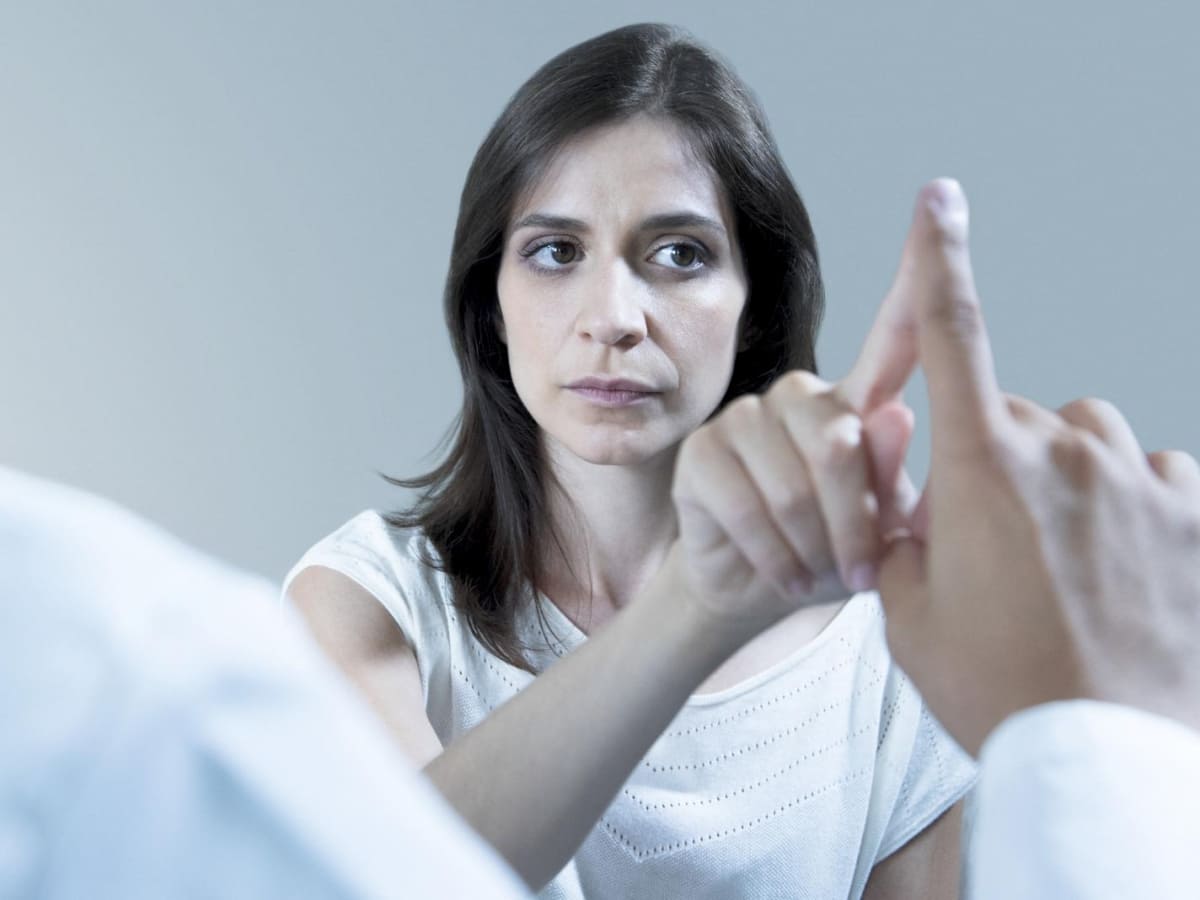
We’re all familiar with the classic five senses — sight, hearing, smell, taste, and touch — but there’s another one quietly working behind the scenes every moment of your life: proprioception. Often dubbed the “sixth sense,” it might just be the most essential of them all, because without it, you couldn’t walk, dance, write, or even stand upright without staring at your own feet.
What exactly is proprioception?
Right now, you probably know exactly where your feet are without looking, how far your arm can reach to grab a coffee cup, or how to keep your balance on a train as it slows down. That’s proprioception at work — your brain’s constant awareness of your body’s position, movement, and orientation in space.
This sense relies on proprioceptors: tiny sensory receptors found in muscles, tendons, ligaments, and skin. The soles of your feet and the muscles around your eyes are especially rich in them. Think of them as internal messengers, sending a steady stream of data to your brain about muscle tension, joint angles, and body position.
Your brain then combines this information with visual cues, input from your vestibular system (your inner ear’s balance mechanism), and the ever-present pull of gravity to create a mental “body map” — known as your body schema.
How your body map develops
This body schema isn’t fixed; it’s built over time. At birth, it’s barely there — newborns can’t yet distinguish themselves from the outside world. Through repeated movement and varied experiences, children gradually learn where their bodies begin and end.
Adolescence brings another wave of change: growth spurts, puberty, new physical activities, and social experiences all refine and reshape the map. Even in adulthood, it continues to adapt — whether from taking up a new sport, gaining or losing weight, or recovering from injury. In cases where mobility is lost, rehabilitation can help restore proprioceptive awareness.
When proprioception fails
Losing proprioception, fully or partially, can be devastating. One rare case is that of Ginette, a Canadian woman who lost almost all sensation in her body except for her head, likely due to an autoimmune reaction. She can only perform tasks like holding a glass if she’s watching her movements; with her eyes closed, her hand drifts aimlessly, as though weightless in space.
Milder forms, known as proprioceptive dysfunction syndromes, are harder to detect and often involve a long, frustrating journey to diagnosis. Symptoms can affect postural control, spatial awareness, and the brain’s ability to integrate multiple sensory inputs.
The science behind the sense
Research into proprioception is still unfolding, but a breakthrough came with the discovery of Piezo1 and Piezo2 receptors, proteins sensitive to mechanical pressure. In 2016, scientists studying two girls with mutations in the Piezo2 gene found they were unable to locate their bodies in space accurately — they couldn’t touch their noses or walk with their eyes closed. The work on these receptors earned Ardem Patapoutian the 2021 Nobel Prize in Medicine.
Can you train your proprioception?
Absolutely. Movement is key. Neuroscientist Christine Assaiante recommends staying physically active as long as possible, ideally in group activities that combine motor, social, and emotional engagement. Sports, dance, yoga, and balance exercises all help keep your body map sharp and responsive.
Nature’s version of proprioception
It’s not just humans — plants have their own form of proprioception. Beyond sensing gravity to grow upright, recent research shows they can detect and adjust their posture. A tree bent by the wind, for example, “knows” it’s leaning and will slowly straighten itself over time.
From helping you sip coffee without spilling it to letting trees stand tall against the wind, proprioception is a quiet constant in the background of life — a sense that doesn’t just connect you to the world, but keeps you connected to yourself.