Donald Trump is known for his love of opulence—and now it appears that even his presidential aircraft is getting the luxury treatment. But behind the gold trim, classified budgets, and sleek redesigns lies a complicated story of diverted funds, military secrets, and political controversy.
A Qatari gift with a billion-dollar twist
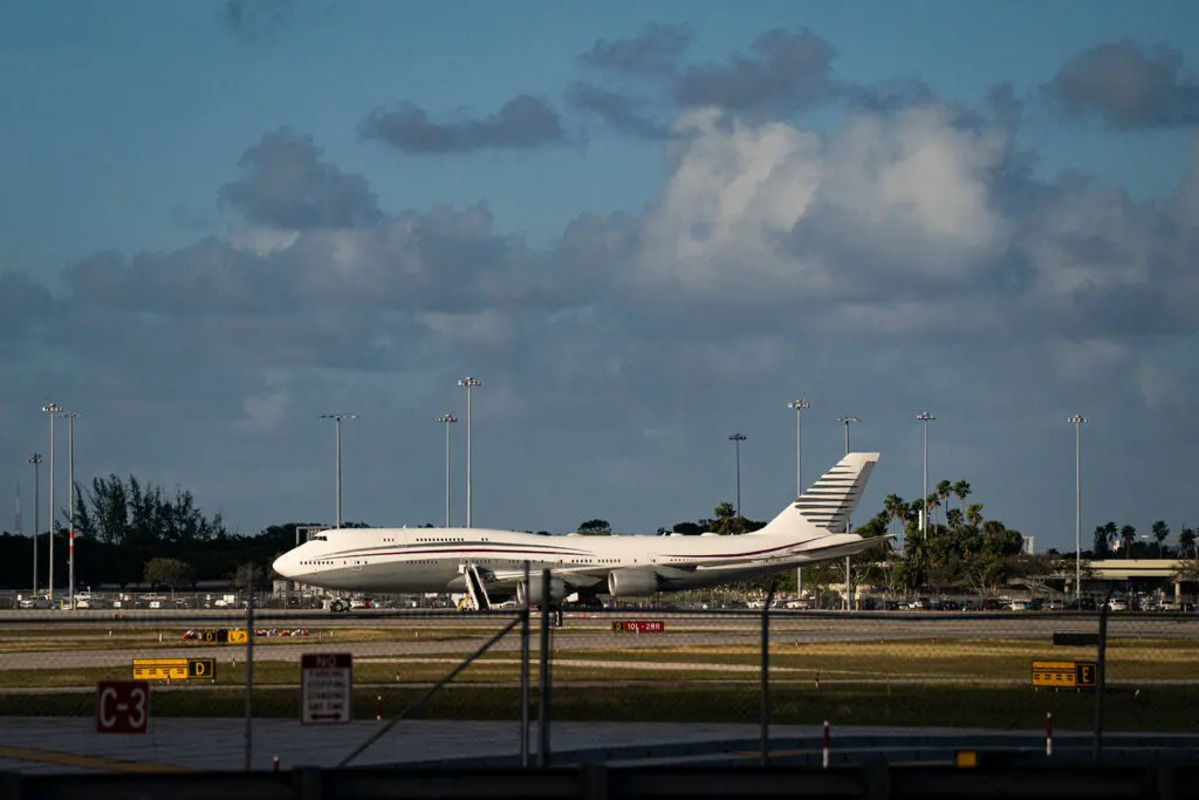
At first glance, the aircraft seemed like a gift. A Boeing 747-8, handed over by Qatar and earmarked to become Trump’s private version of Air Force One. But while the jet may have been “free,” its transformation into a presidential-grade aircraft is anything but.
The true cost of converting the plane into a state-of-the-art, secure, and Trump-approved flying command centre remains classified, but a suspicious $934 million budget transfer has set alarm bells ringing. That figure, tucked inside the sprawling paperwork of a nuclear weapons modernization program, is now widely believed to be linked to the renovation of Trump’s new jet.
Dipping into the Pentagon’s darkest budgets
The funds appear to have been diverted from the Sentinel program—an already over-budget, delayed attempt to overhaul America’s aging Minuteman III missile system. Originally pitched to Congress as a $77 billion project, the Sentinel has since ballooned to an eye-watering $140 billion. Tapping into this pot, critics say, offers a convenient cloak of secrecy.
The aircraft itself is currently undergoing retrofitting at a Texas facility known for classified military tech. Expected features include hardened communications, missile defence systems, and advanced escape capabilities—all echoing the defensive upgrades made to presidential aircraft after 9/11.
From coalitions to couches: a presidential makeover
Trump’s version of Air Force One won’t just be about safety. Inside, expect his signature style: gold fittings, luxury lounges, and a main suite that doubles as a medical bay. The goal is to have the aircraft airborne before the end of Trump’s second term—and eventually displayed at his planned presidential library.
The decision to accept a private plane from a foreign government has already raised ethical questions, especially given Trump’s business links and diplomatic dealings with Qatar. But Trump has dismissed criticism, calling the jet a “no-brainer” for taxpayers.
“It’s free,” he said. “Would you turn down a very expensive airplane?”
A billion-dollar bargain?
Air Force officials have been tight-lipped about the price tag. In public testimony, some have estimated the actual retrofit might cost around $400 million. Others suggest that’s wildly optimistic. Given the complexity of the work—and the need to sweep the plane for potential surveillance tech—many in Washington are sceptical.
Some lawmakers are concerned that rushing the project could compromise security. “We’re weakening our credibility,” said Senator Jeanne Shaheen, warning that diverting funds from nuclear defence for a vanity project undermines public trust and national priorities.
A legacy written in gold (and red tape)
All of this comes on top of the $4 billion already committed to the official next-generation Air Force One jets, themselves delayed and over budget. Trump’s decision to seek a separate, gifted aircraft may have been born of frustration—but it’s fast becoming one of the most politically contentious aviation stories in recent memory.
In a city where black budgets and bureaucratic gymnastics are nothing new, Trump’s bespoke aircraft stands out—not just for its glamour, but for the deeper questions it raises about transparency, priorities, and presidential power. Whether it ever takes flight remains to be seen—but the saga has already taken off.