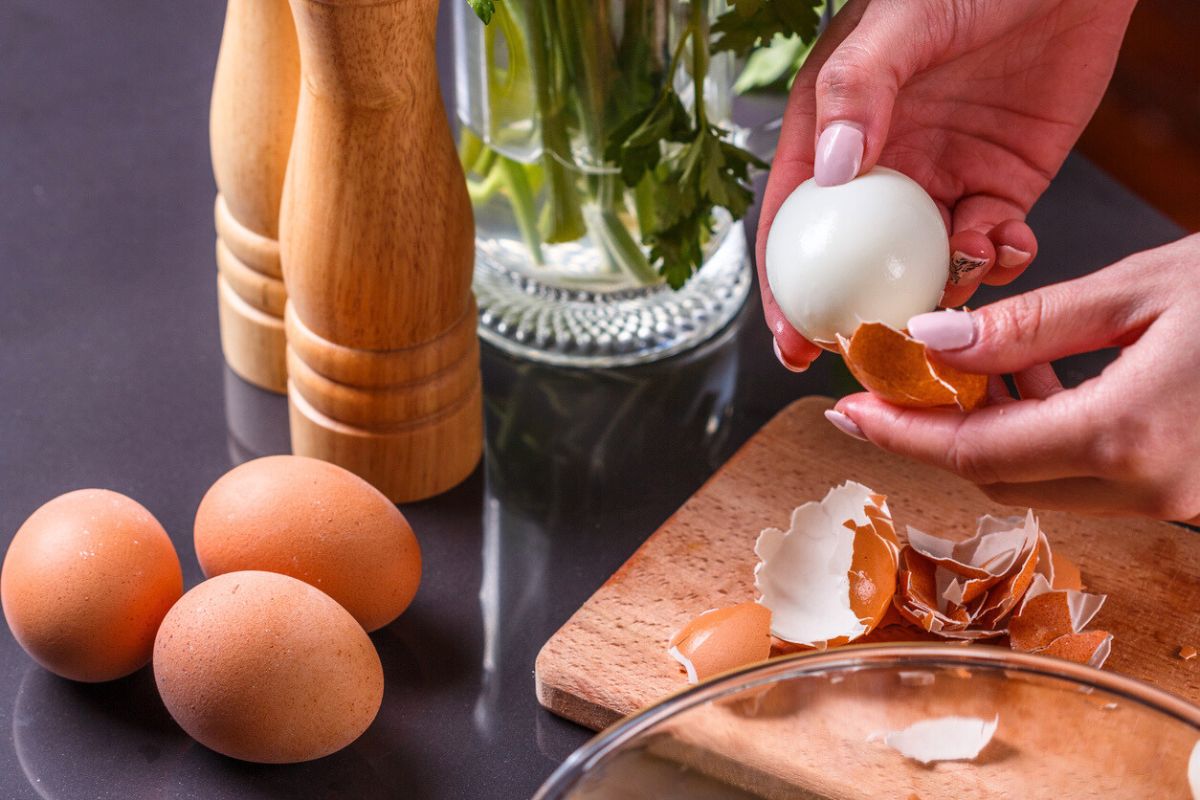
Boiling eggs may seem like one of the simplest kitchen tasks, but when it comes time to peel them, the process can turn into a frustrating battle. We’ve all been there—struggling with a stubborn shell that refuses to come off without taking bits of egg white with it. But here’s a secret that will change how you think about peeling eggs forever: add a pinch of salt to the water. It’s a small trick that makes a big difference, and it’s something you’ll want to remember the next time you cook eggs.
The Perfect Boiled Egg: The 3-6-9 Rule
The key to making eggs that are just right starts with the cooking process. Unlike soft-boiled or poached eggs, hard-boiled eggs require precise timing to achieve that perfect consistency. Here’s a simple rule to remember: 3 minutes for a soft-boiled egg, 6 minutes for a medium-boiled egg, and 9 minutes for a hard-boiled egg, starting from when the water begins to boil. Easy to remember, right? This rule ensures your eggs are cooked to perfection—not too undercooked, and definitely not overdone.
Once the time is up, it’s crucial to immediately transfer the eggs into cold water to stop the cooking process. This not only prevents the unsightly green ring around the yolk (which happens when eggs are overcooked), but it also keeps your hands from getting burned when peeling them later.
Why Peeling a Hard-Boiled Egg Can Be So Difficult?
When it comes time to peel your boiled eggs, you might notice that some are harder to handle than others. The main reason for this lies in the freshness of the egg. Freshly laid eggs are notoriously difficult to peel. The fine membrane that surrounds the egg white sticks tightly to the shell, making it a challenge to remove without damaging the egg. Over time, as the egg ages, air pockets form between the shell and the membrane, making peeling much easier.
For optimal peeling, it’s best to let your eggs sit in the fridge for a few days before boiling them. This simple step saves you the hassle and ensures you won’t be battling with the shell when it’s time to enjoy your eggs.
The Salt Trick for Easier Peeling
But what if you don’t have a few days to wait and need to peel your eggs right away? Don’t worry—there’s a solution! Just add a pinch of salt to the boiling water. This simple trick works wonders by affecting the membrane around the egg. The salt reduces the membrane’s adhesion to the shell, making peeling much easier. Salt also changes the permeability of the membrane and helps the proteins in the egg white coagulate, leading to a smoother peeling experience.
To take it one step further, you can add a thermal shock to the process after boiling your eggs. Once cooked, place the eggs in a bowl of ice water for about 5 minutes. This sudden temperature change causes the membrane to contract, creating an even greater separation between the shell and the egg, making the peeling process almost effortless.
Perfect Hard-Boiled Eggs, No Fuss
To sum it up, thanks to the salt trick and the ice-water shock, you’ll never dread peeling hard-boiled eggs again. Say goodbye to chunks of egg white coming off with the shell and hello to smooth, intact eggs, ready to be tossed into your salads, sandwiches, or enjoyed on their own. Sometimes, it’s the small things that make a big difference in the kitchen, and this easy tip will take what once felt like a chore and turn it into a simple, quick task.