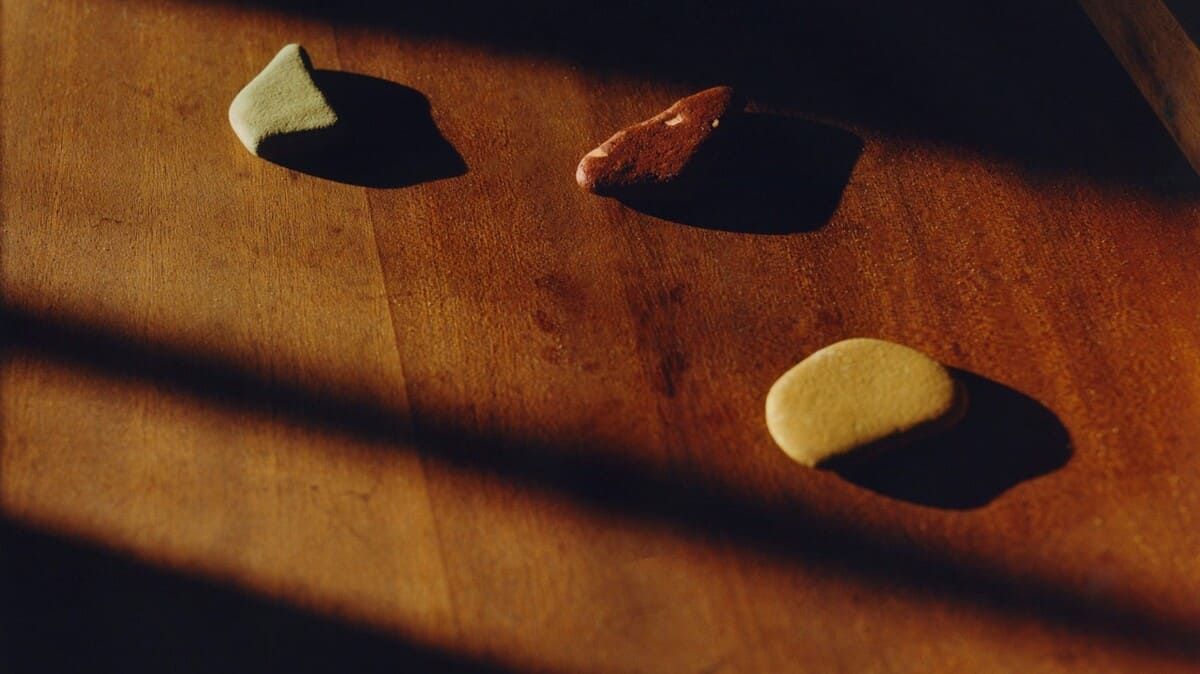
For geologist Marcia Bjornerud, rocks aren’t just old—they’re alive with meaning. Their cracks and folds are Earth’s memories, their structures silent lessons in resilience, adaptation, and interconnection. And in a world increasingly driven by short-term thinking, she believes rocks can help us find our way back to something deeper.
Seeing the world through a geologist’s eyes
As a professor of geology at Lawrence University, Bjornerud has spent over three decades helping students understand the immense scale of geological time. Her latest work, Turning to Stone, is a call to reconsider how we relate to the planet—not as masters of a passive landscape, but as participants in a living, evolving Earth.
She urges us to develop what she calls a “polyfocal” perspective: the ability to shift our focus between the microscopic and the planetary. “All Earth systems,” she explains, “operate across multiple scales.” Whether examining a single rock under a microscope or mapping the sweep of tectonic plates, geoscience teaches us to see the macro in the micro, and vice versa.
Tiny forces, vast impacts
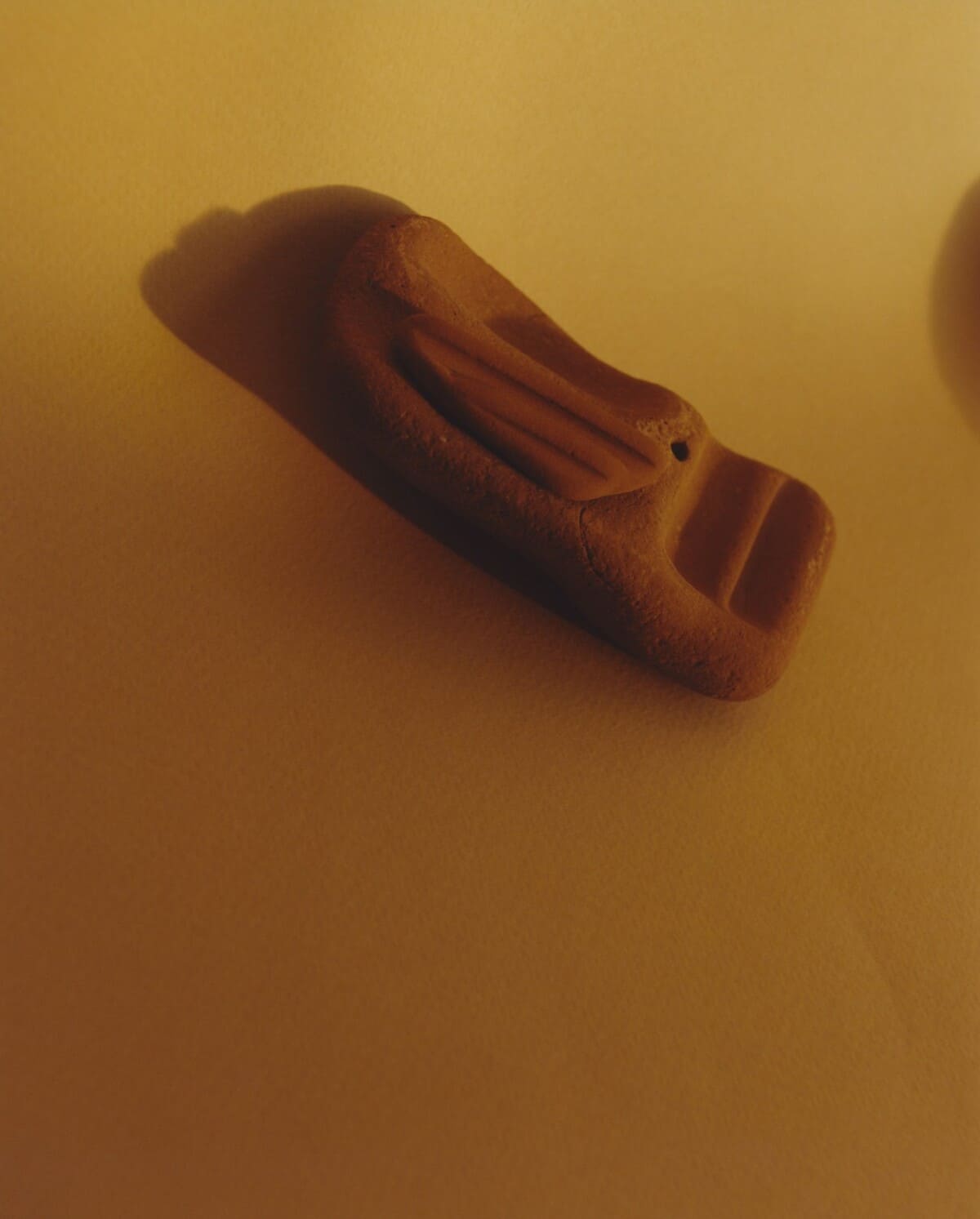
One of Bjornerud’s most powerful insights is that tiny agents, not grand forces, have often shaped Earth’s greatest transformations. Take microbes, for example. These invisible organisms once altered the atmosphere by introducing oxygen, creating the foundation for all complex life. “The Earth,” she says, “is a microcracy—ruled by the very small.”
It’s a humbling reminder that monumental change often begins quietly. And it challenges the idea that only big gestures or big technologies can solve our planetary crises.
Rewriting our relationship with nature
Central to Bjornerud’s work is a rejection of the Western tendency to treat nature as separate from ourselves—something inert to be used or observed. This disconnection, she argues, is not just an environmental issue but a spiritual one.
Rocks, in her view, are not lifeless. They are constantly changing—folding, flowing, eroding, reshaping. Even the solid mountains are not fixed; they are stories in motion. “Rocks are not static. They are fluid, just moving in extreme slow motion.”
By seeing rocks as dynamic, as entities with “personalities” shaped by pressure and time, Bjornerud invites us to see ourselves not as detached observers but as part of the same vast, living process.
Why geological time matters more than ever
In her book Timefulness, Bjornerud makes the case for developing “time literacy”—an understanding of deep time and the scale at which natural processes unfold. Without it, she warns, we risk making dangerously short-sighted decisions.
We live in a moment of unprecedented access to climate science, and yet our political and economic systems are fundamentally out of sync with the long view. “We’ve got the science,” she says. “But implementation is blocked by a lack of long-term thinking.”
Understanding, for example, how quickly we can drain groundwater versus how slowly it replenishes could fundamentally reshape water policy. Or recognising the brevity of human civilisation compared to the stability of the Holocene could reframe our urgency around the climate crisis.
Storytelling as a tool for reconnection
Bjornerud believes that to spark real change, we need stories—not just data. The Earth is too complex, too ancient, to be reduced to soundbites. But stories grounded in science can help people relate, reflect, and reimagine their role in the ecosystem.
She sees the absence of Earth science in education as a critical failure. “Most people never learn about the place they live,” she says. “If they did, we might have pushed back harder against the destruction of the environment.”
The cost of forgetting
What happens when we see nature as “other”? According to Bjornerud, we become lonely. Disconnected. As individuals and societies, we fall into narcissism and short-termism, losing touch with a reality far larger and older than ourselves.
To restore that lost connection, she suggests we remember our continuity with the past. “This moment,” she says, “is just one of many.” Rocks remind us that we are not the first to walk this Earth—and we won’t be the last.
The Earth is rare, and we’re lucky to be here
Looking outward to Mars and beyond has only sharpened Bjornerud’s awe for our home planet. Earth isn’t ordinary. It’s astonishing: a planet with liquid water, active tectonics, and billions of years of habitability.
In her geology courses, she asks students to write to Elon Musk—not to discourage exploration, but to question the idea that Mars could ever rival Earth. “The real miracle,” she says, “is not that Earth started off right, but that it stayed right.”
That, more than anything, is what rocks teach us: not permanence, but resilience. Not stasis, but slow and steady change. And maybe, just maybe, how to build a more thoughtful future.