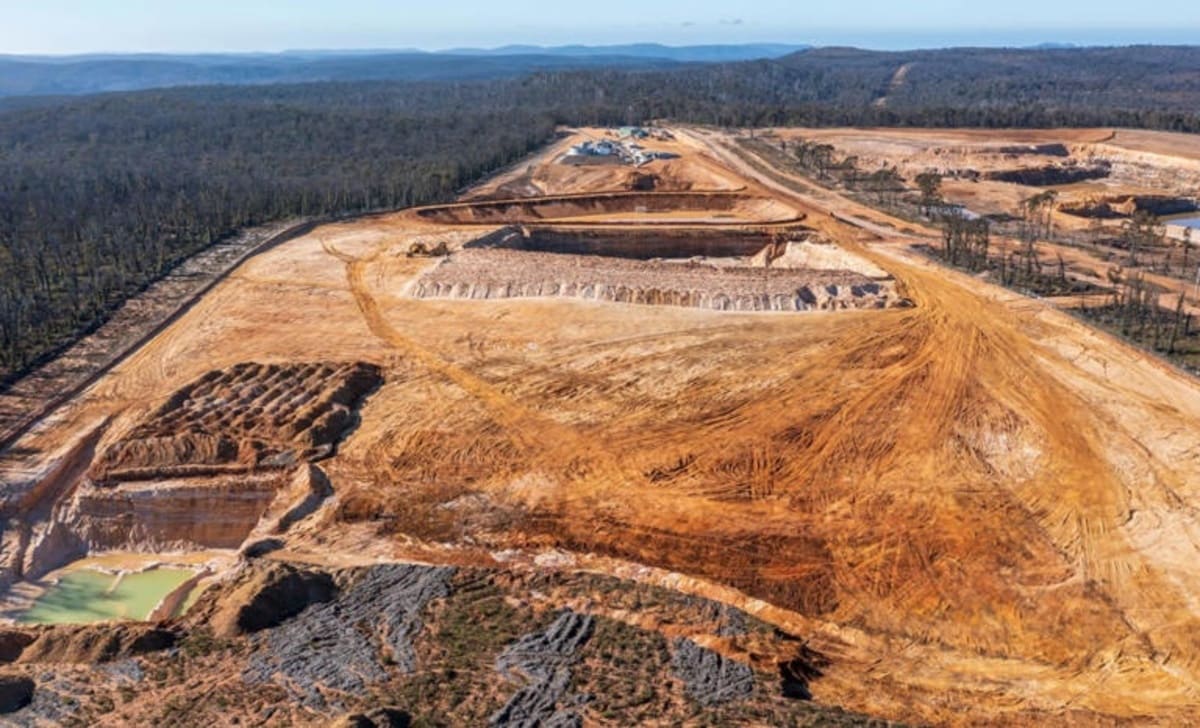
Hidden beneath the dusty plains of Western Australia lies a treasure trove that could rewrite the rules of steelmaking—and send ripples through world markets. This newly identified iron ore giant dwarfs everything we’ve known in both size and purity.
A vast resource in the heart of the Pilbara
Deep in the Pilbara region, geologists have pinpointed roughly 55 billion tonnes of iron ore averaging over 60% Fe, making it the richest deposit ever recorded. I remember touring a Pilbara operation last year—rows of gleaming ore cars snaking through red-gold landscapes—and thinking we’d seen it all. Yet this find, valued at nearly $6 trillion, eclipses even those massive operations, underscoring Australia’s dominance in the iron game and promising to reshape trade flows, especially with major buyers like China.
Technology reveals hidden depths
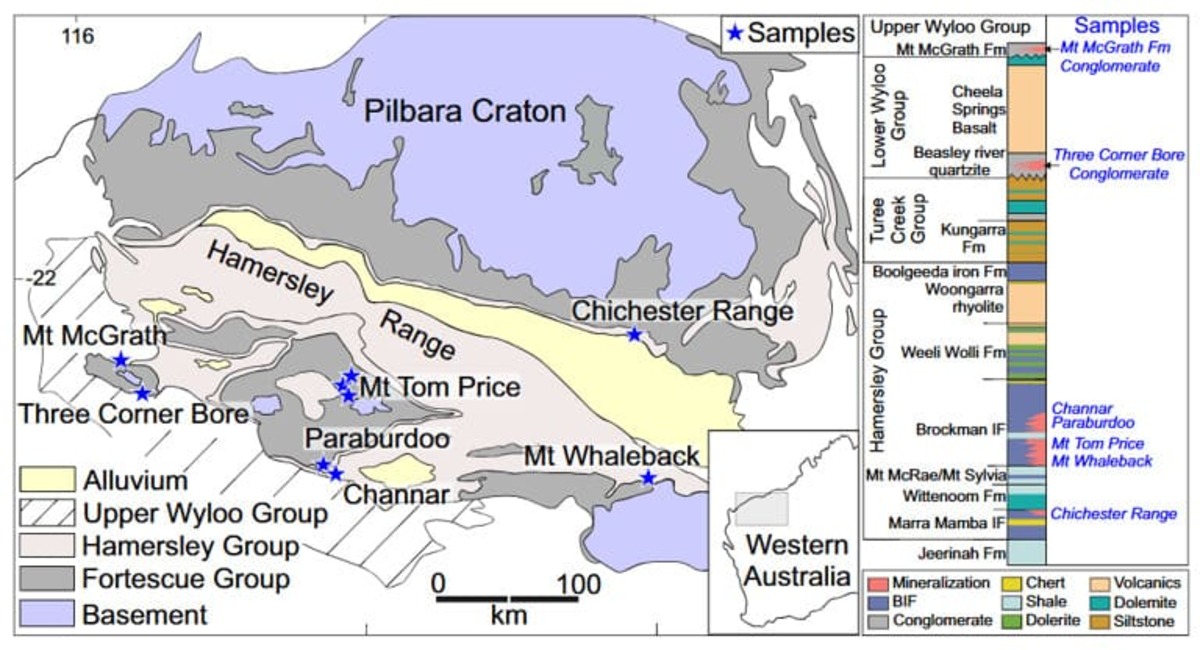
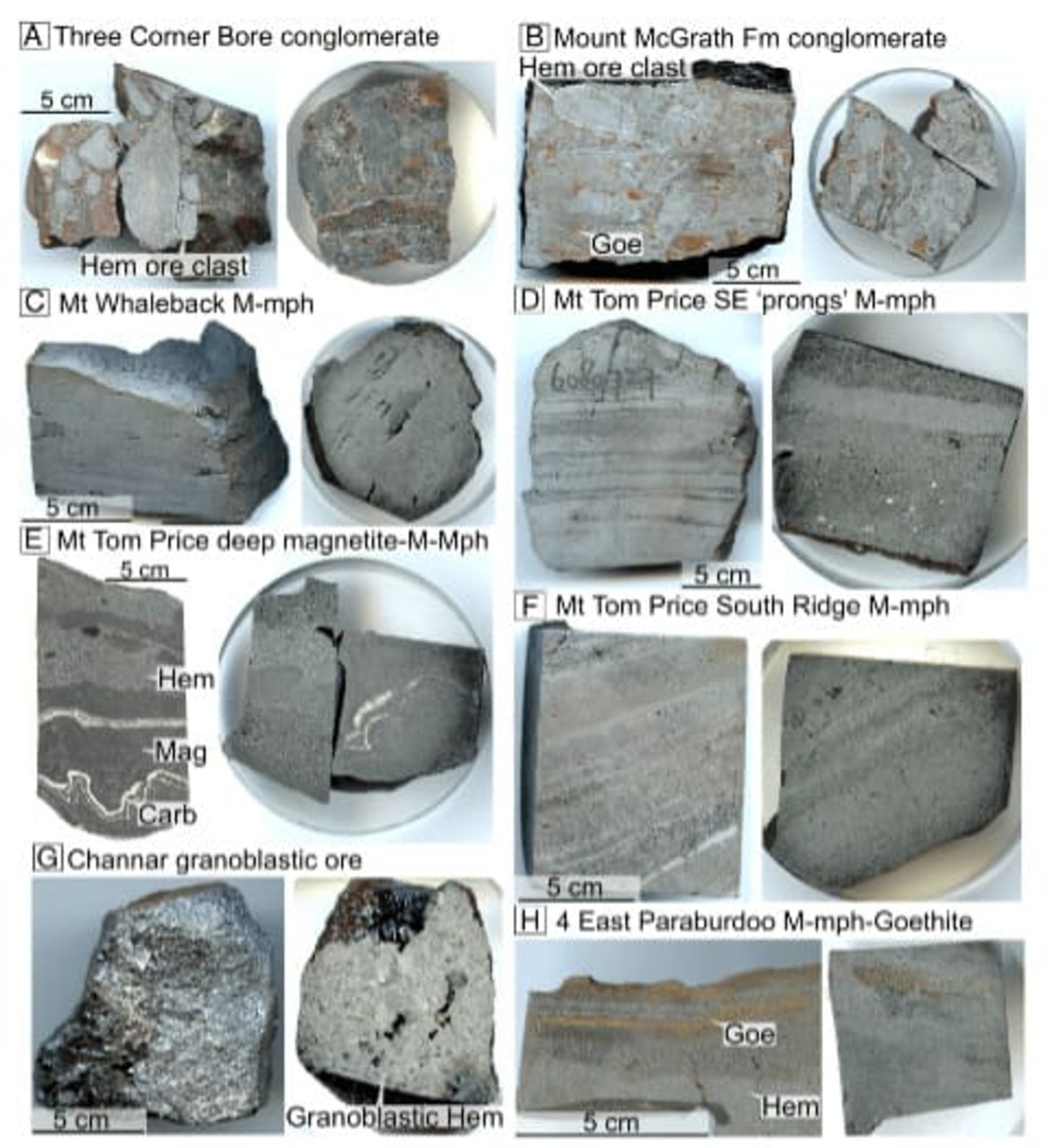
Advances in isotopic dating and chemical assays transformed the team’s understanding of these ancient rocks. Formerly thought to be 2.2 billion years old, new uranium-lead analysis places their formation at about 1.4 billion years ago, linking ore concentration to supercontinent cycles. This scientific leap also doubled the estimated iron grade—early tests suggested 30%, but refined methods confirmed over 60%, making extraction more efficient and environmentally responsible, as researchers from Curtin University and the Geological Survey of Western Australia emphasise.
Shifting the global mining landscape
With this discovery, Australia’s leverage over global iron prices may strengthen further. Industry veterans predict that such a colossal, high-grade deposit will put downward pressure on costs and spark fresh infrastructure investments in rail and ports. More than an economic story, however, it’s a geological revelation: unlocking secrets of Earth’s deep past and hinting at other undiscovered mineral giants hidden beneath our feet. As the world watches, this find could herald a new era in both exploration and steel production.